Custom Approach

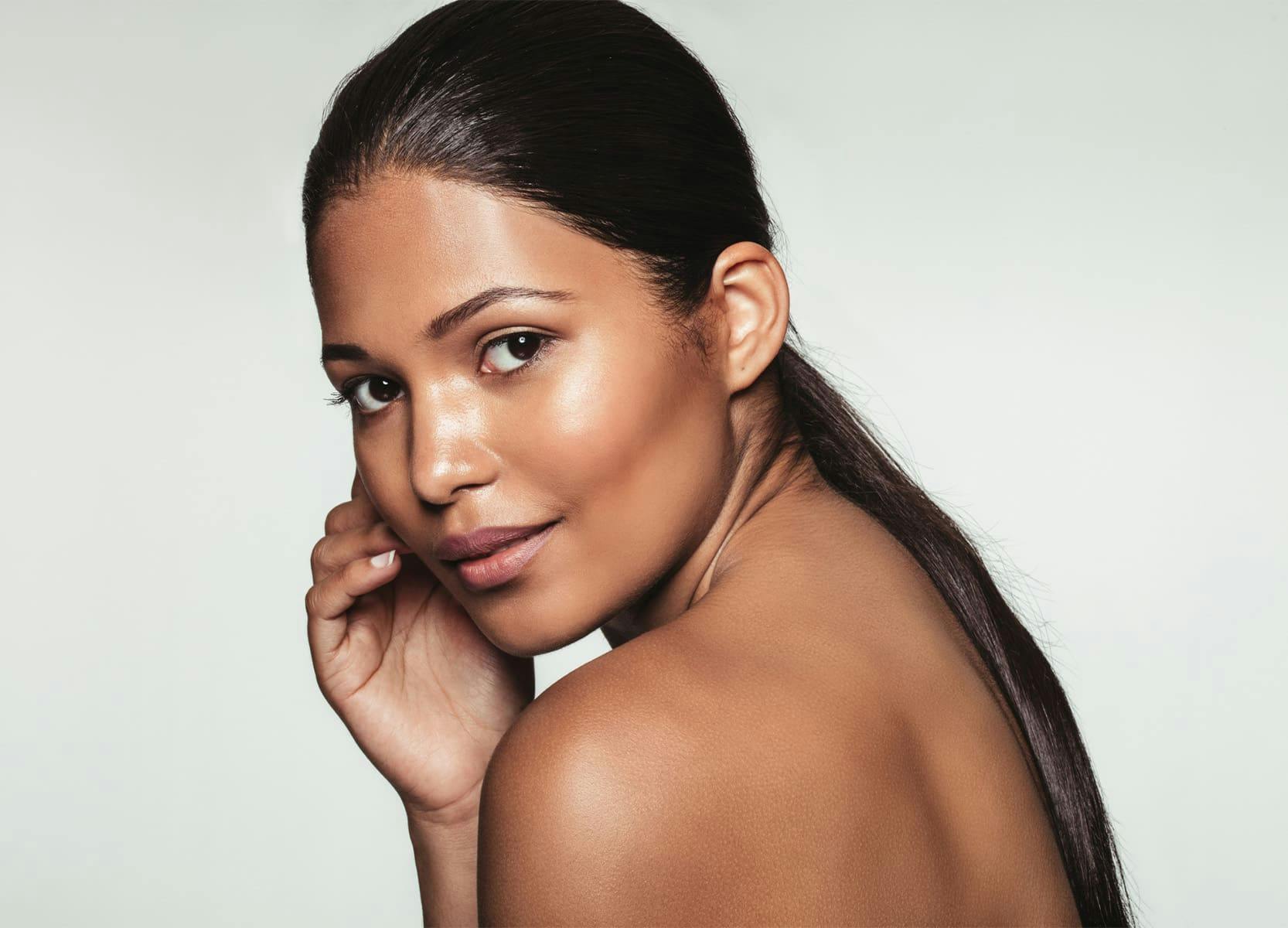
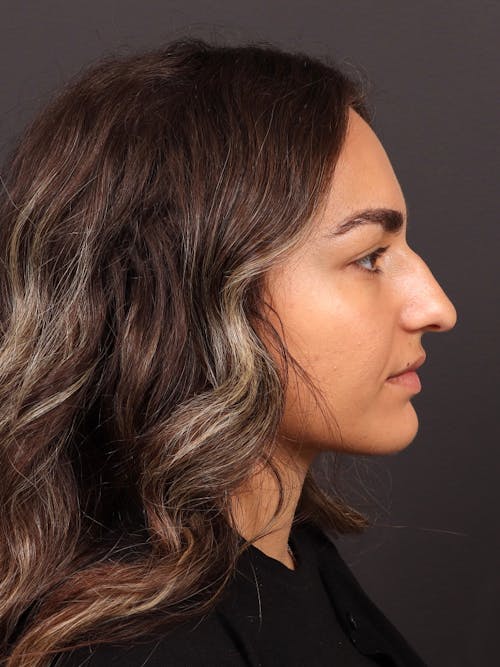
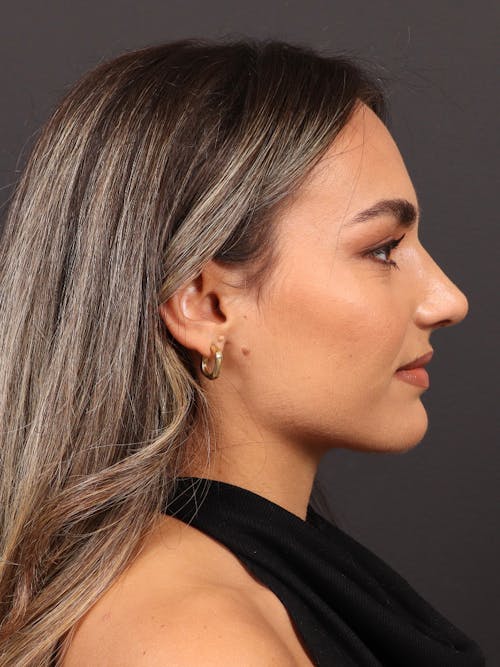
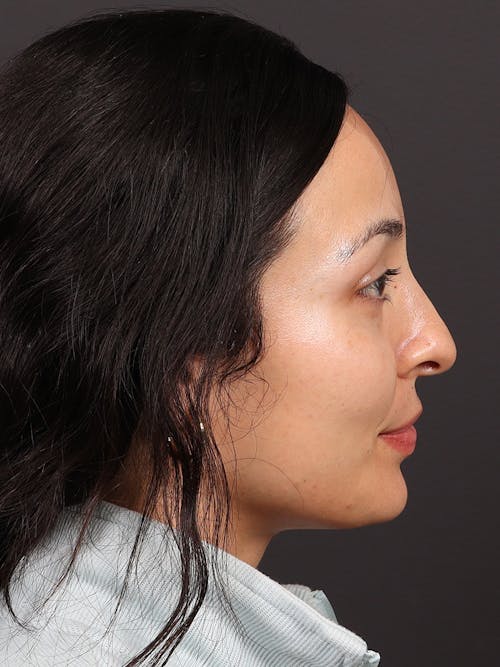
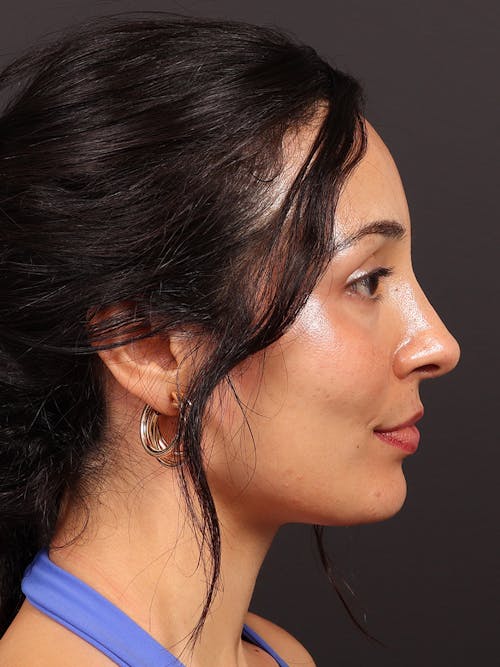
Fellowship-trained and one of Miami's top facial plastic surgeons, Paul Afrooz is a skilled professional with experience working with patients from diverse backgrounds to refine the aesthetic appearance of the nose. With a strong attention to detail and commitment to individualized care, Dr. Afrooz strives to achieve results that are both natural-looking and structurally balanced. Dr. Paul N. Afrooz challenges that approach with a custom nose reshaping procedure called ethnic rhinoplasty. Dr. Afrooz listens to your concerns and creates a balanced look for your face while honoring your heritage.

Personalized Rhinoplasty Techniques

video thumbnail

What Is Ethnic Rhinoplasty?

All racial backgrounds and identities have unique physical and aesthetic traits. All nose jobs and rhinoplasties should respect those ethnic markers of identity. This challenging task requires immense skill, dexterity, experience, knowledge, artistry, and sensitivity. Traditional rhinoplasties aim to reshape the patient’s nose, modifying its shape, size, or general appearance to ensure overall balance and facial symmetry. Ethnic rhinoplasties have that same goal, but they also consider your ethnic background and distinct facial features, modifying your nose for overall balance and harmony without erasing physical signs of your ethnic background. 

Our Miami rhinoplasty is considered one of the most challenging cosmetic procedures, and ethnic rhinoplasty takes that challenge further. As such, you must find an experienced and board-certified practitioner with a proven track record of working with patients of multiple ethnic backgrounds. Dr. Afrooz has an in-depth understanding of the unique nasal features of all ethnic groups, allowing him to curate the ideal treatment plan for your specific needs.

Request a Consultation

Contact Us
Background media

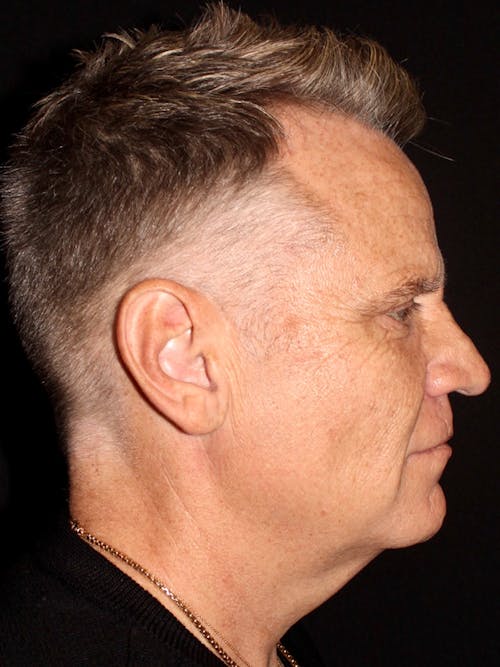
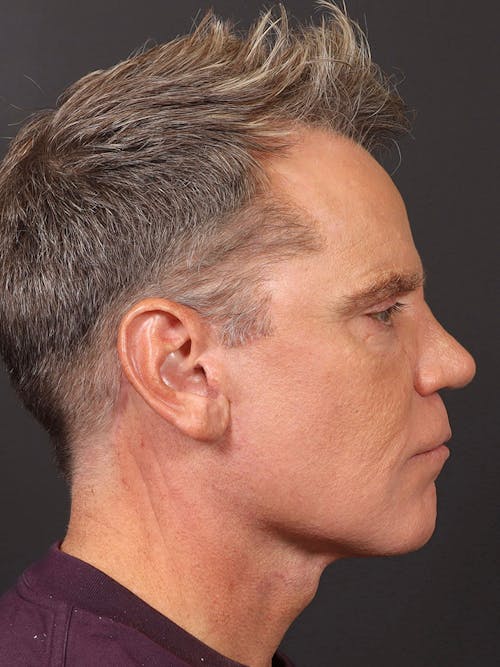
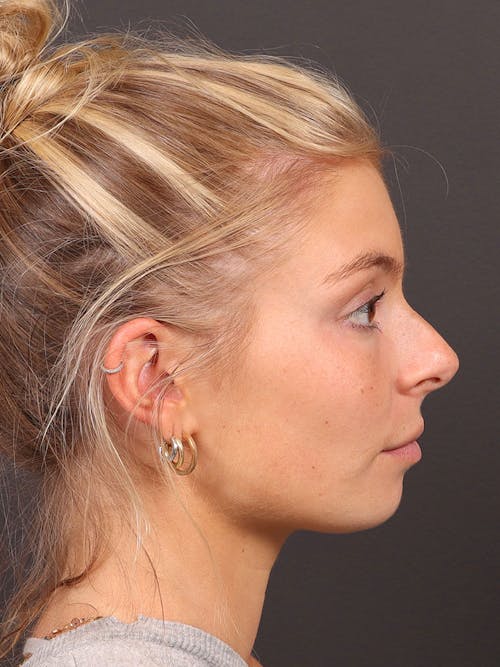
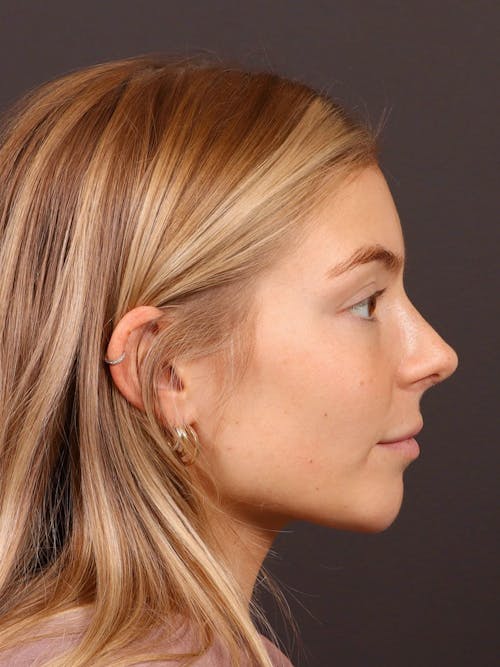
Before & After Ethnic Rhinoplasty

What Are the Benefits of Ethnic Rhinoplasty?

  • Enhanced Cosmetic Symmetry: Your nose is one of the central balancing structures in your face, responsible for overall symmetry. Ethnic rhinoplasties, like all rhinoplasties, modify your nasal structures to encourage greater symmetry, beauty, and balance that complements the rest of your facial features.
  • Honoring Ethnic Traits: Cosmetic surgeons without a strong familiarity with the unique facial features of different ethnic groups may homogenize their treatments, thereby offering a cookie-cutter treatment that erases parts of your unique identity. Ethnic rhinoplasties give you the aesthetic and cosmetic benefits you want while honoring your family’s unique identity and culture.
  • Correcting Structural Problems: Rhinoplasties also help us address structural problems with your nose that may lead to breathing problems. Appearance and functionality can be simultaneously addressed.

Banner media
Doctor media

Why Choose Dr. Afrooz for Ethnic Rhinoplasty?

Dr. Paul N. Afrooz is recognized as one of the country’s leading experts in rhinoplasty and serves as faculty for the annual Dallas Rhinoplasty Meeting. As a fellowship-trained cosmetic surgeon with extensive experience treating patients of diverse ethnic backgrounds, he provides advanced rhinoplasty care for men and women in Miami, Coral Gables, and the surrounding areas while attracting patients from around the world.

Learn More About Dr. Afrooz

Half image media

What Is the Ethnic Rhinoplasty Procedure?

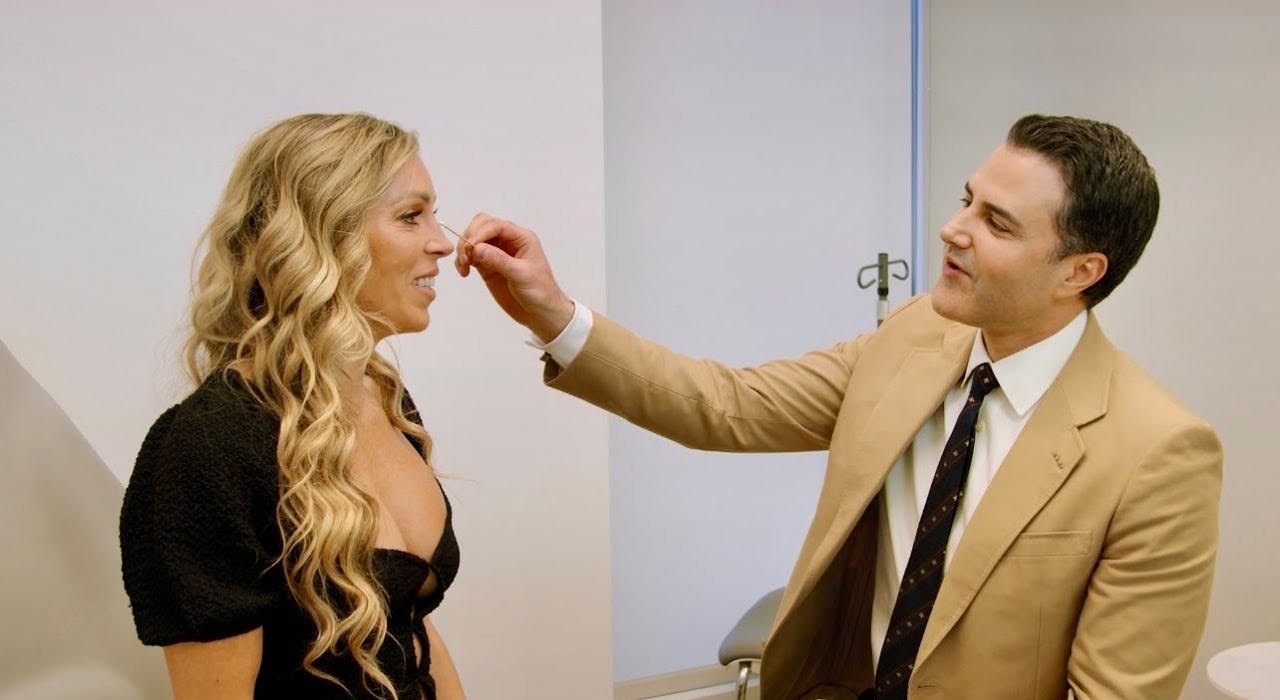
During the initial consultation, Dr. Afrooz will examine your nose and discuss your expectations to curate an ideal rhinoplasty treatment plan, tailored to you. Dr. Afrooz, one of Miami's top facial plastic surgeons, explains every step of the procedure before the treatment, so you know exactly what to expect. Rhinoplasties are performed using one of the following methods:

  • Open Rhinoplasty: During this procedure, the cosmetic surgeon creates an incision on the base of the columella (tissue separating the nostrils) for comprehensive modification and reshaping.
  • Closed Rhinoplasty: During this procedure, the incisions are placed within the nostrils for minor corrections and revisions.

Dr. Afrooz will recommend the appropriate rhinoplasty method based on your expectations and needs. The ethnic rhinoplasty procedure may include several types of corrections, all done in one operation. The doctor may reposition the nasal bones, change the shape of the cartilage, reshape the nasal septum, or make other changes.

a white flower

What Is the Cost of Ethnic Rhinoplasty?

The cost of ethnic rhinoplasty differs for each individual, depending on the type of rhinoplasty and the amount of modifications necessary, however, our starting point is $19,000. Functional rhinoplasty to improve breathing may be covered by insurance, but cosmetic rhinoplasties are not. We accept all major credit cards and offer financing options, including CareCredit.

Frequently Asked Questions Ethnic Rhinoplasty

How does recovery from ethnic rhinoplasty compare to a standard rhinoplasty?

Recovery timelines are similar. Patients can expect swelling and bruising for the first one to two weeks, with the majority of visible swelling resolving within a month. Final results, however, emerge gradually over the course of a year as the tissues fully settle. The extent of the procedure and whether an open or closed approach was used will influence individual recovery.

When will I see my final results?

Initial improvement is visible once the early swelling subsides, typically within a few weeks. More refined results continue to develop over six to twelve months as the deeper swelling gradually resolves. Patience during this period is important, as the nose undergoes ongoing subtle changes throughout the healing process.

What are the risks of ethnic rhinoplasty?

Risks include swelling, bruising, temporary changes in sensation, asymmetry, scarring at the base of the nose, infection, and in rare cases, the need for a revision. Ethnic rhinoplasty is technically demanding, which is why selecting a surgeon with documented experience working with diverse nasal anatomy is essential.

Is ethnic rhinoplasty appropriate for teenagers?

Most surgeons recommend waiting until nasal growth is complete, which typically occurs around age 16 to 17 for girls and slightly later for boys. Dr. Afrooz evaluates each case individually, taking the patient's maturity and motivations into careful consideration before proceeding.

How is the consultation conducted?

During your consultation, Dr. Afrooz will examine the structure of your nose, discuss your ethnic background and the features you wish to preserve or modify, and review your goals in detail. He may use imaging to help visualize potential outcomes and will outline the recommended approach, including incision placement and technique, based on your specific anatomy.

Can I see examples of results on patients from my ethnic background?

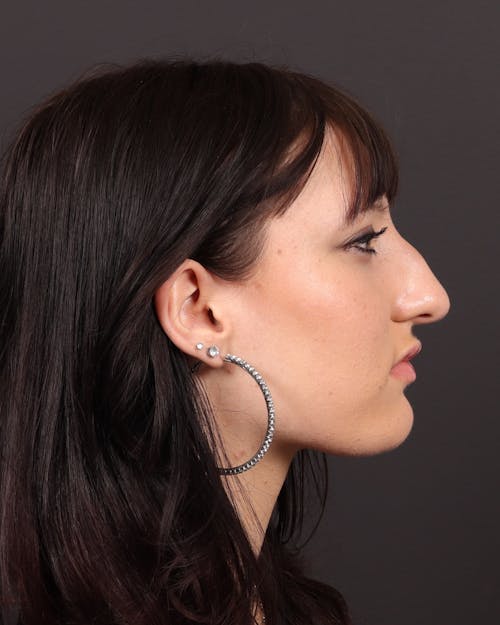
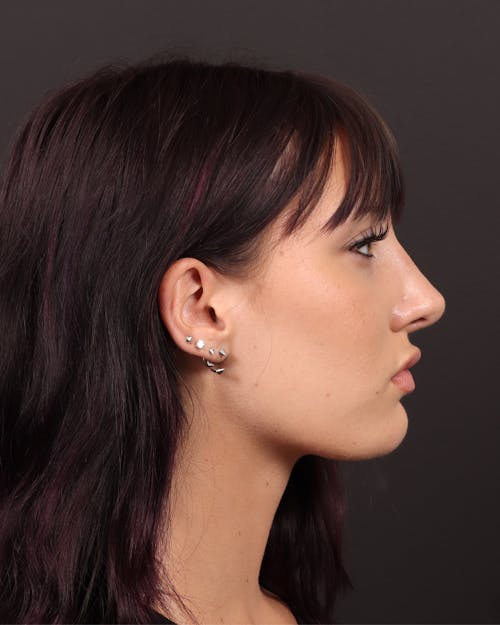
Dr. Afrooz's gallery includes before and after photos from patients of diverse ethnic backgrounds. You are welcome to request examples relevant to your heritage during your consultation. Reviewing these results is an important step in understanding the level of artistry and precision Dr. Afrooz brings to each case.

What happens if I am not satisfied with the outcome?

If a patient feels their result has not met expectations after full healing is complete, Dr. Afrooz offers a revision consultation. Rhinoplasty revision is a complex undertaking that requires careful planning and appropriate timing. He approaches these conversations with sensitivity and a genuine commitment to achieving the best possible outcome.

Will the results look like I had surgery?

The entire premise of ethnic rhinoplasty as Dr. Afrooz practices it is the opposite of an operated appearance. Results are meant to look as though this is simply how your nose has always been, refined and in harmony with the rest of your face, while remaining true to your heritage.

Logomark
Accessibility: If you are vision-impaired or have some other impairment covered by the Americans with Disabilities Act or a similar law, and you wish to discuss potential accommodations related to using this website, please contact our Accessibility Manager at (561) 652-0799.