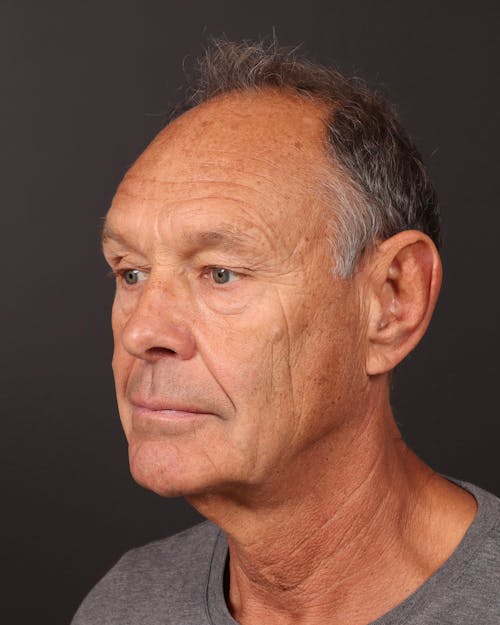
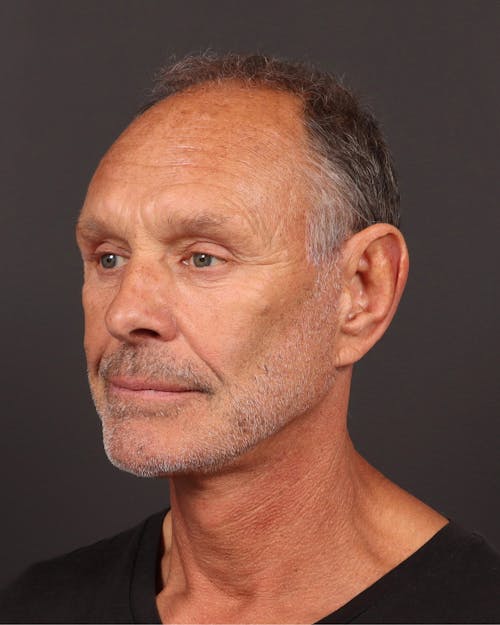
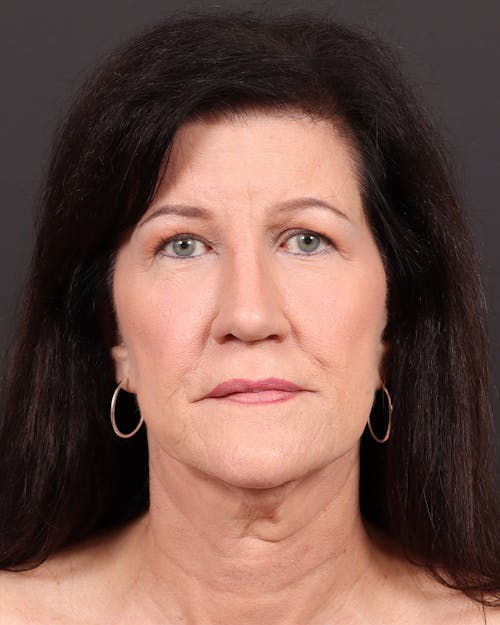
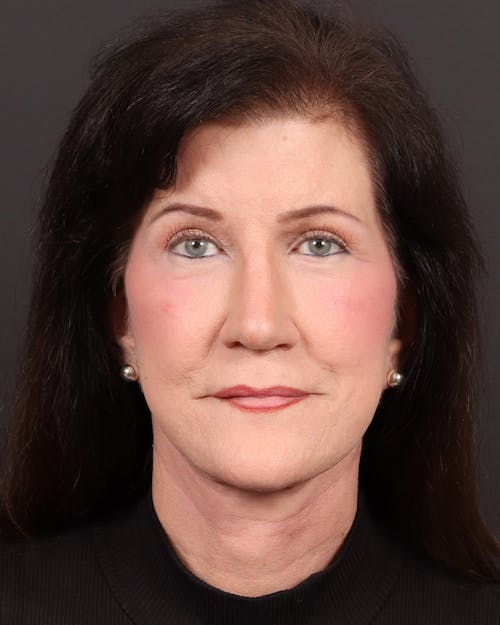
What Is Upper Blepharoplasty?

Upper eyelid surgery is a precision procedure in which a small section of eyelid skin is carefully removed to remove the excess skin and restore a more youthful, energetic appearance to the eyes and nearby tissues. The procedure is customized to match the unique condition of the patient, and may involve removing fat lodged in the region, muscle modification, or other precision changes to restore a youthful appearance. Dr. Afrooz addresses every upper blepharoplasty procedure with the most advanced surgical techniques and can resolve hooding and fine-tune eye symmetry to achieve a remarkably refreshed, healthy look.

What Is the Procedure?

All upper eyelid lift surgeries are customized to match the individual condition of the patient. In general, the procedure involves administering intravenous sedation and local anesthesia to ensure a comfortable experience. Then a precise quantity of excess eyelid skin is meticulously removed, and the incision is closed with delicate sutures. The tissues and fat may be repositioned with a conservative approach to ensure the outcome appears natural, not overdone. 

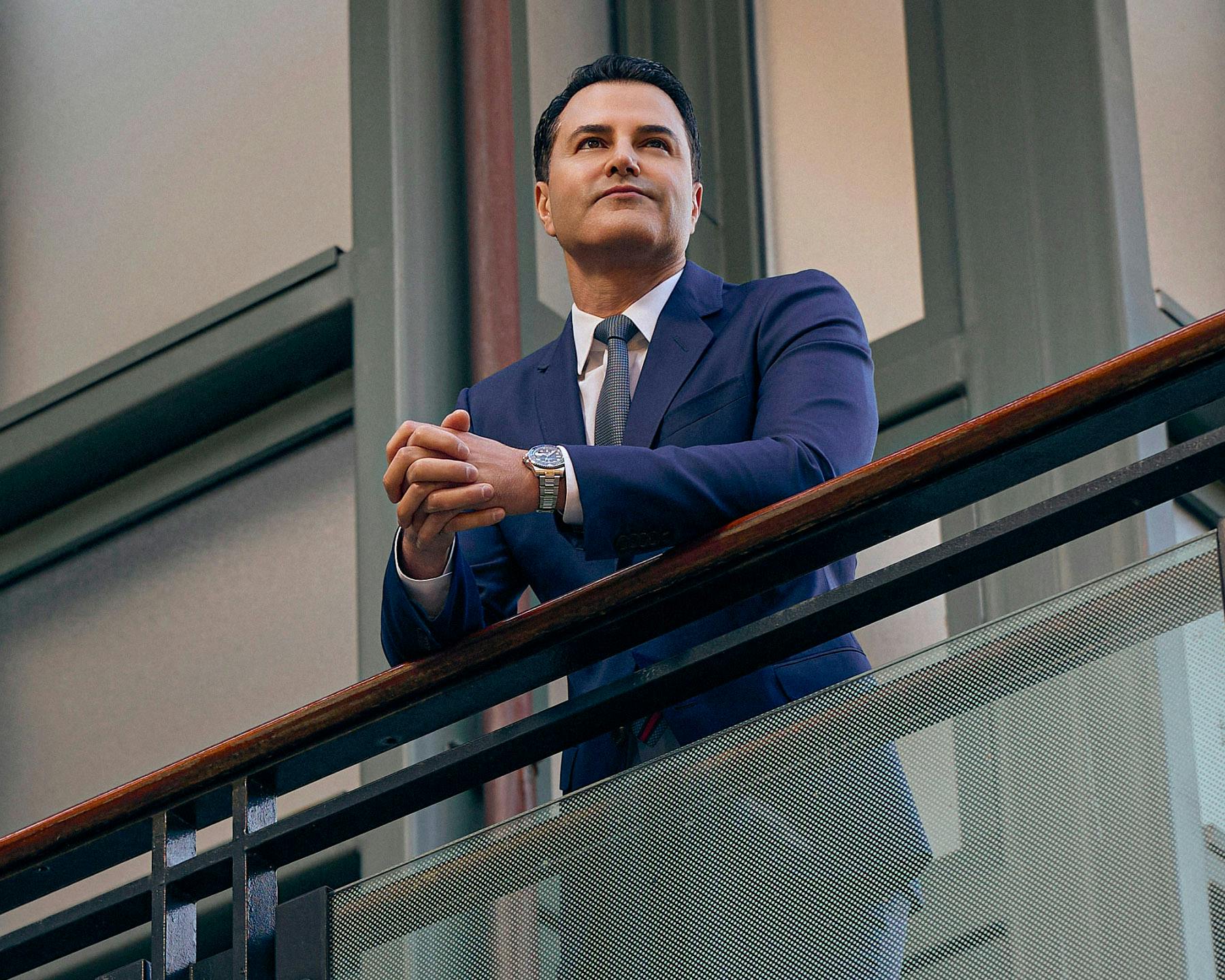
A consummate professional, Dr. Afrooz is often called upon as a featured speaker at national and international symposiums on facial plastic surgery.

He works closely with each patient to help them achieve their personal aesthetic goals, bringing outstanding skills and artistry to upper eyelid blepharoplasty.

Banner media

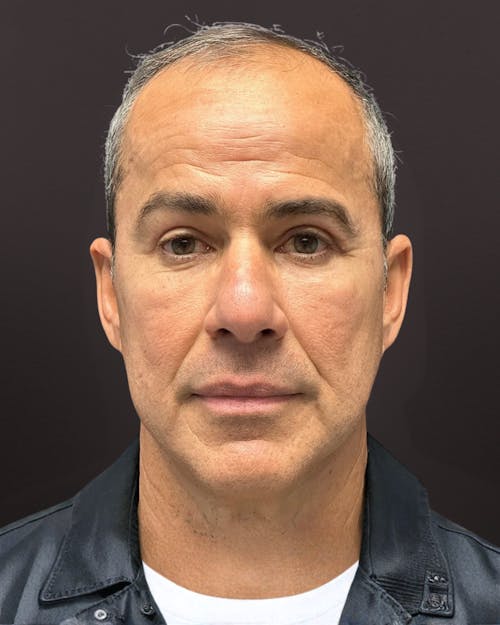
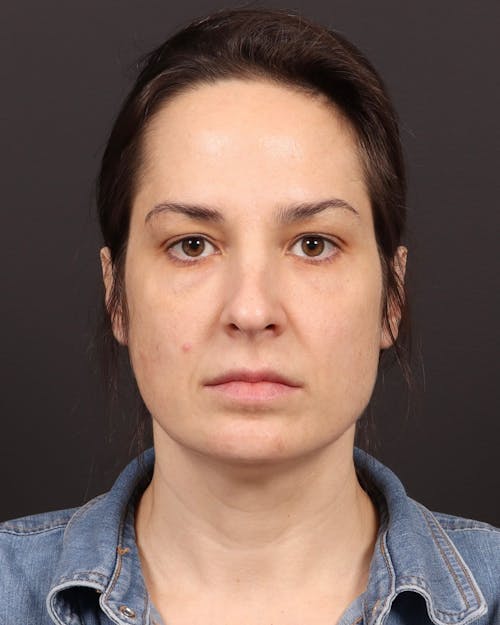
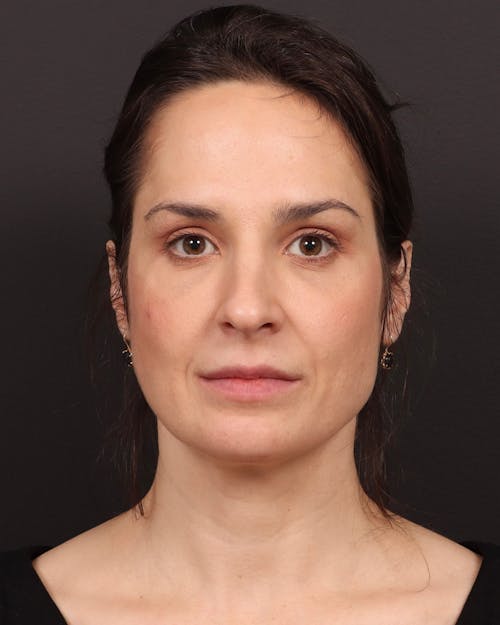
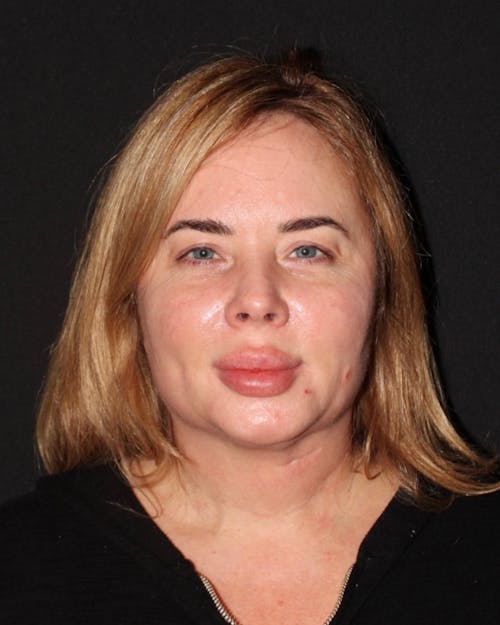
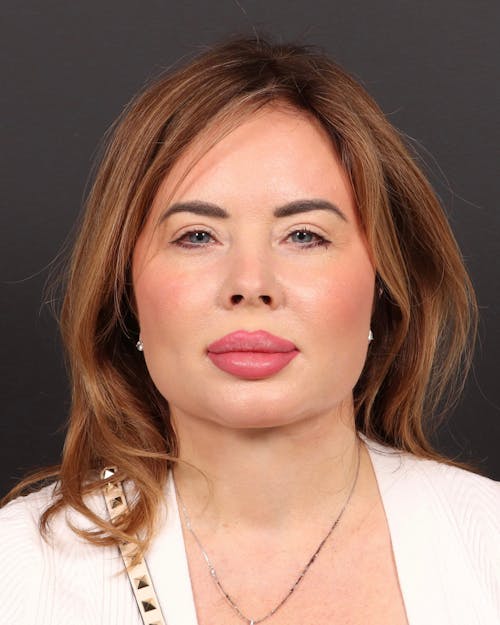
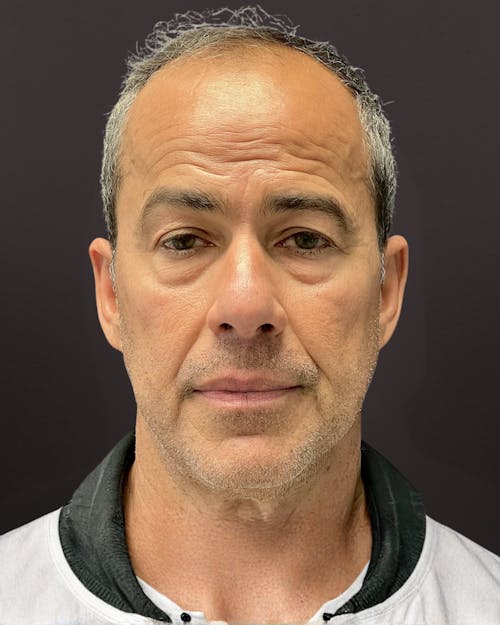
Before & After Upper Blepharoplasty

Am I a Candidate for Upper Blepharoplasty?

If you are experiencing any of the following conditions, you may be a good candidate for this customized surgical procedure:

  • Difficulty applying cosmetics due to excess eyelid skin
  • Hooded eyes
  • Impaired peripheral vision due to sagging skin
  • Sagging eyelid skin
  • You look tired, even when well rested
  • Puffy upper eyelids

Request a Consultation

Contact Us
Background media

What Is the Recovery Time After Upper Eyelid Blepharoplasty?

The recovery time after upper eyelid surgery is typically short and uneventful. Initially, you can expect some swelling and bruising, which takes in the range of one to two weeks to fade. You will need to protect your eyes from sun exposure during healing and take the time you need for your skin to heal. Set aside a week to ten days to recover, after which you should feel ready to reveal your refreshed look at work or other activities. The subtle changes to your look should not be obvious as having been achieved with surgery, a result of the precision approach of Dr. Afrooz.

Green plant leaves

Upper Blepharoplasty Healing Process

Patients always ask what the sutures look like after an upper blepharoplasty (eyelid surgery), so let's walk through it!

Before surgery

Notice the excess eyelid skin that can create a tired or aged appearance.

Post-Op Day # 2

The incisions might look slightly pink, but totally normal as your body starts healing!

Post-Op Day # 9

Sutures are out, and the incision is starting to blend with the natural skin contour. Over time, they will completely fade.

What Is the Cost of Upper Blepharoplasty?

Individualized to each person, the cost of your upper eyelid surgery in Miami with Dr. Afrooz starts at $7,500 or more. A personalized approach is determined during an in-person consultation to assess your specific needs. Convenient payment options include major credit cards and financing through CareCredit. At Paul N. Afrooz, MD, the investment in attaining beautiful, youth-enhancing results is well-valued.

Financing Options

Doctor media

Why Choose Dr. Afrooz for Upper Eyelid Blepharoplasty?

Dr. Paul Afrooz brings his impressive surgical talents and techniques to every procedure. As a perfectionist, he performs upper eyelid surgery with delicate, meticulous techniques, geared to produce a look that is very natural and refreshed. He is widely known as being a top Miami facial plastic surgeon, known for his natural talent and artistry, advanced education and training, and dedication to advancing the art of facial plastic surgery. As a fellowship-trained plastic surgeon, Dr. Afrooz is dedicated to helping his patients look younger, well-rested, and rejuvenated by restoring the look of the upper face with custom eyelid surgery.

Learn More About Dr. Afrooz

Half image media

Reveal Your True Self.

You may feel energetic, youthful, and vigorous, but your upper eyes give you a tired, angry, or displeased appearance, even on your best days. When the upper eyelids make you look older than you feel, you can transform your look in a subtle but dramatic way by undergoing a custom upper eyelid blepharoplasty to reveal the true you – a person who is full of life and youthful energy.

Frequently Asked Questions Upper Blepharoplasty

Can upper blepharoplasty improve my vision if my eyelid skin is affecting it?

In some patients, severe upper eyelid hooding physically obstructs the upper visual field. When this is the case, the procedure may qualify for partial insurance coverage as a functional rather than cosmetic surgery. Dr. Afrooz can evaluate whether your degree of hooding meets the clinical threshold and advise you accordingly.

Is the procedure painful?

Most patients report mild discomfort rather than significant pain. The procedure is performed under intravenous sedation and local anesthesia, so you will be comfortable throughout. Any post-operative soreness is typically managed well with prescribed or over-the-counter medication.

What are the risks of upper eyelid surgery?

Potential risks include temporary bruising, swelling, dryness, tearing, asymmetry, and sensitivity to light. Rarer complications include infection or changes in eyelid position. Dr. Afrooz's precise, conservative technique is designed to minimize these risks and produce a natural, symmetrical result.

How long do the results of upper blepharoplasty last?

Upper eyelid surgery removes excess skin and repositions tissue, which does not grow back. Most patients enjoy results that last a decade or more, though the natural aging process continues over time. Factors like sun exposure and genetics play a role in how long results are maintained.

What is the difference between a brow lift and upper blepharoplasty?

These are related but distinct procedures. A brow lift addresses the forehead and repositions a descended brow, which can indirectly reduce the appearance of upper eyelid heaviness. Upper blepharoplasty removes excess skin directly from the eyelid itself. Some patients benefit from one, some from the other, and some from both.

Can I wear contact lenses during recovery?

Contacts should be avoided for at least one to two weeks following upper eyelid surgery while the eyes are healing. Glasses are typically recommended during this period. Dr. Afrooz's team will give you specific guidance based on your progress at your follow-up appointments.

Can upper blepharoplasty be combined with a brow lift or lower eyelid surgery?

Yes. Combining upper eyelid surgery with a brow lift, lower blepharoplasty, or other facial procedures is common and can produce a more harmonious, complete rejuvenation of the eye area. Discussing your full range of concerns with Dr. Afrooz will help determine whether combination surgery is appropriate for you.

Will upper blepharoplasty change the shape of my eyes?

The goal is to restore a rested, youthful appearance to the eyes without altering their natural shape. Dr. Afrooz takes a conservative approach that preserves the character of each patient's eyes. You should look like yourself, simply less tired and more refreshed.

At what age is upper blepharoplasty most commonly performed?

Patients in their 40s through 60s most frequently seek this procedure, though some individuals develop significant hooding earlier due to genetics. There is no strict age requirement. Candidacy is based on the degree of excess skin and its impact on appearance or vision, not age alone.

Is it normal for the two eyelids to look slightly different during recovery?

Yes, and this is one of the most common concerns patients raise after surgery. Swelling rarely distributes evenly between both sides, so one eyelid may appear more open or more swollen than the other in the early weeks. This asymmetry is temporary. As healing progresses and swelling resolves, the two sides come into balance.

Logomark
Accessibility: If you are vision-impaired or have some other impairment covered by the Americans with Disabilities Act or a similar law, and you wish to discuss potential accommodations related to using this website, please contact our Accessibility Manager at (561) 652-0799.