Few procedures can deliver the comprehensive, age-defying results of a facelift. When you choose Dr. Paul N. Afrooz for your facelift in Miami and Coral Gables, you can expect expertise, professionalism, and refined, natural-looking results. Patients from across the country seek out Dr. Afrooz for his advanced approach to facelift and neck lift surgery.
Facelift in Miami



What is a Facelift?
Facelift surgery in Miami with Dr. Paul Afrooz is a customized procedure to restore a balanced, youthful look to your facial structure. A facelift, also known as a rhytidectomy, corrects sagging skin, jowls, wrinkles, lines, and creases. When performed with the most advanced surgical techniques, it achieves results that appear refreshed and natural, not tight or pulled. Dr. Afrooz, a board-certified plastic surgeon recognized as one of Miami’s top facial specialists, uses his expertise and advanced techniques to deliver outstanding results, ensuring each facelift is customized for optimal, natural outcomes.
What Are My Facelift Options?
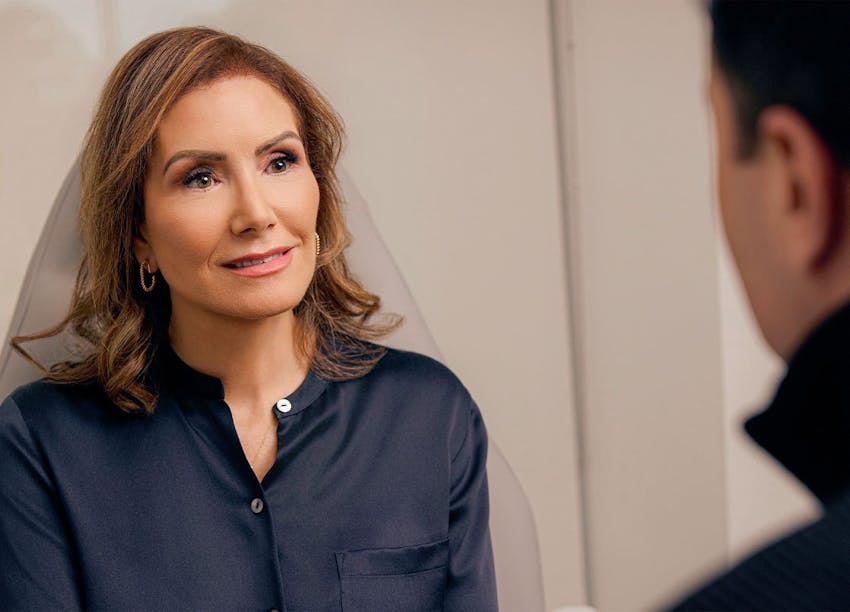
Deep Plane Facelift
Deep Plane Facelift
A deep plane facelift is a more comprehensive version of a traditional facelift, providing longer-lasting and more dramatic results. It involves repositioning not only the skin but also the deeper tissues and muscles of the face, leading to a more youthful appearance that can last for up to 15+ years.

Lower Facelift
Lower Facelift
A lower facelift is perfect for Patients whose main concern is jowling and heaviness in the lower half of the face and want to enjoy a rejuvenated result from a lower facelift. A lower facelift often involves some degree of neck work, as well. This is a good option for patients who don't have as much aging/heaviness in the upper face. And in general is less costly and invasiveness than a full facelift, with minimal scarring, and the ability to reduce signs of aging, and enhance self-confidence.

Mid-Facelift
Mid-Facelift
A mid-facelift, or cheek lift, smooths, lifts, and tightens the cheeks and other areas in the mid-face region, such as the lower eyelids. This procedure is less invasive than a full facelift, but more extensive than a mini facelift.

Mini Facelift
Mini Facelift
A mini facelift is similar to a traditional facelift, but it targets a smaller area of the face. A mini facelift addresses the cheeks and jowls and is a more “accelerated” version of a facelift, with shorter treatment time and a faster recovery.

Revision Facelift
Revision Facelift
Also known as a secondary facelift, a revision facelift is a surgical procedure that corrects or revises the results of a previous facelift. A revision facelift is an extremely precise and delicate procedure that must be done by a revision facelift expert.

Male Facelift
Male Facelift
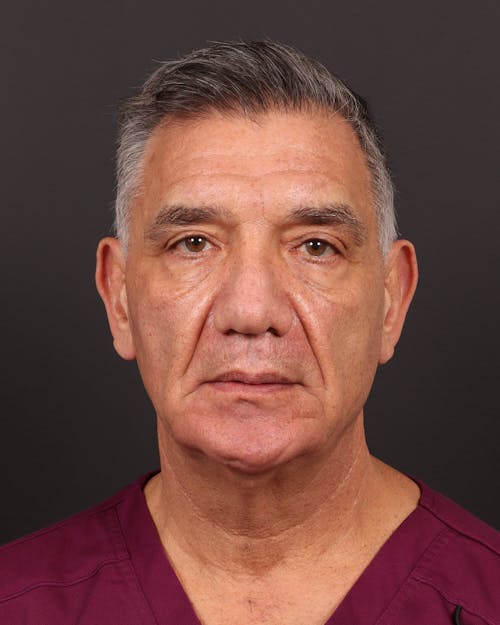
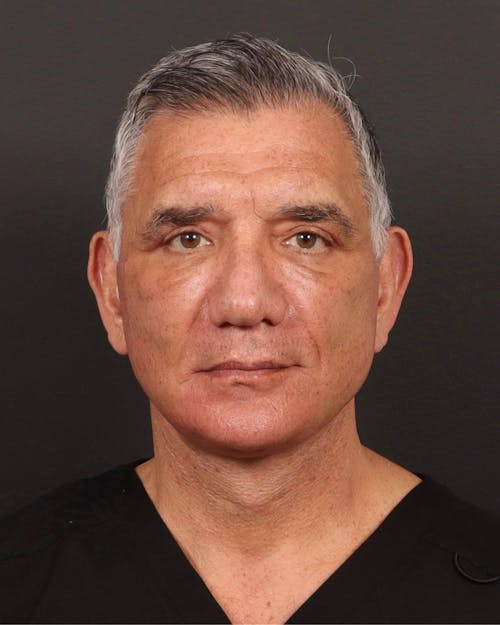
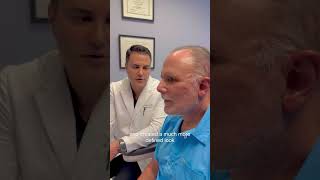
Restore a youthful, defined jawline and masculine facial contours with a male facelift by facial rejuvenation specialist, Dr. Paul Afrooz. His surgical techniques help address jowls and sagging skin while preserving your authentic masculine features.
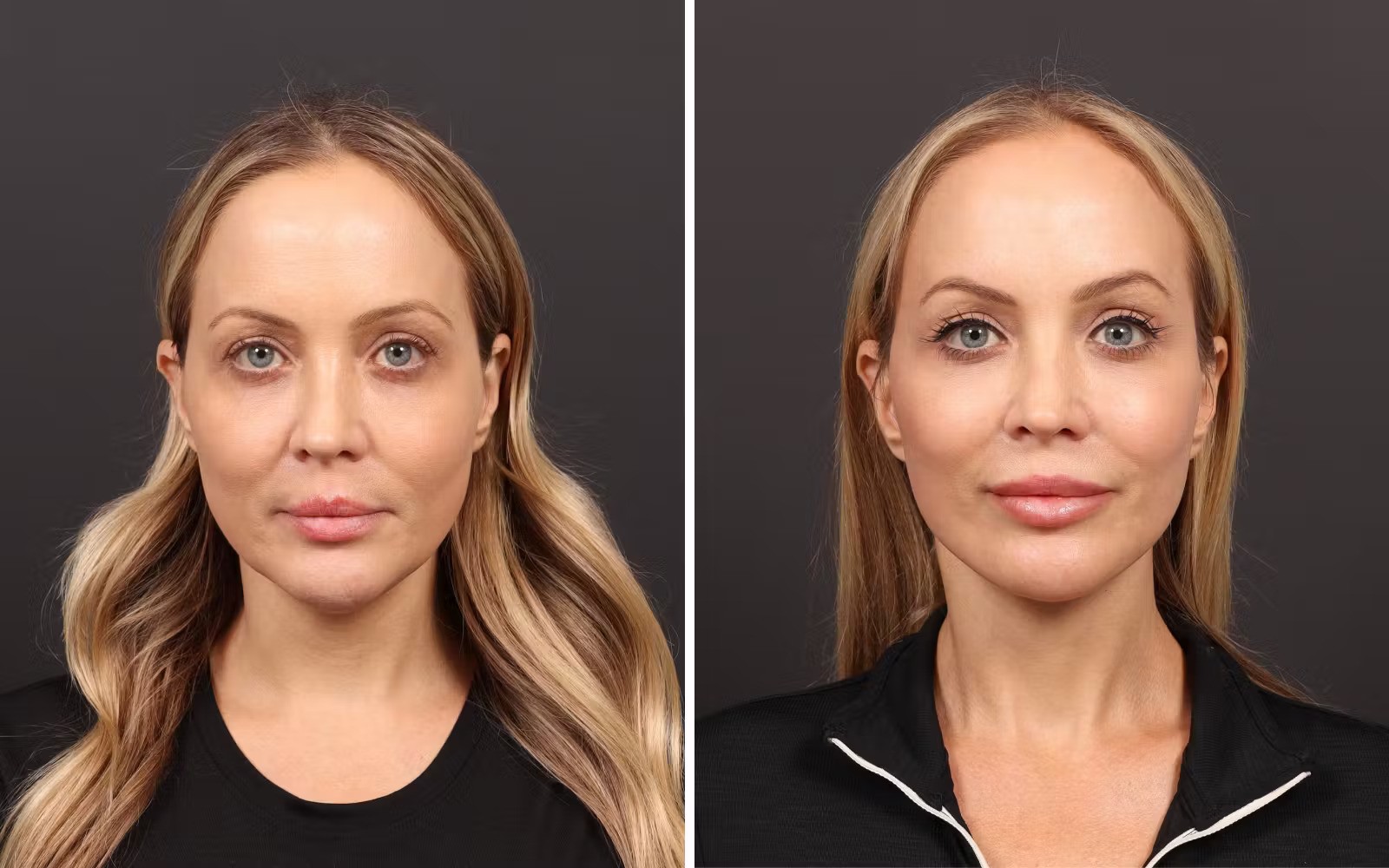
Featured Case
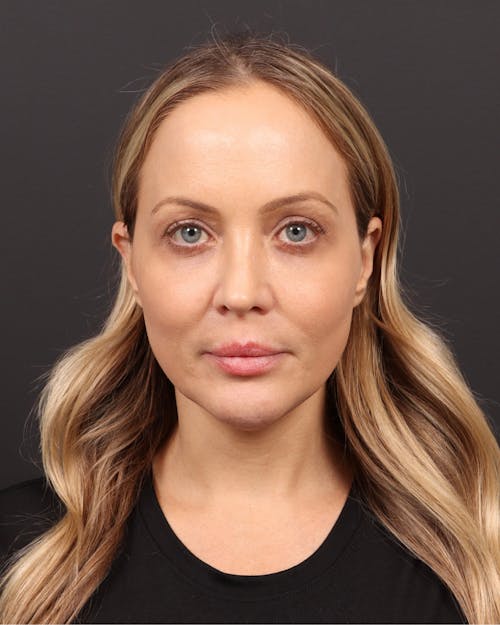
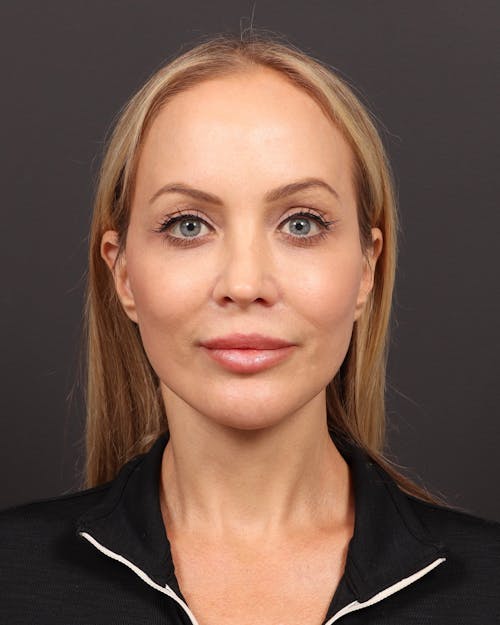
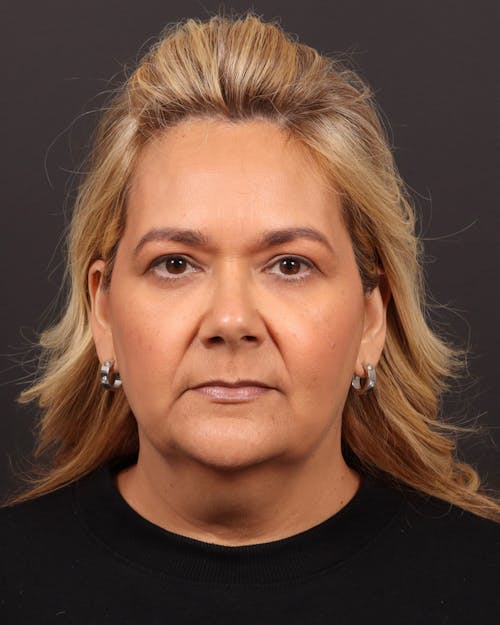
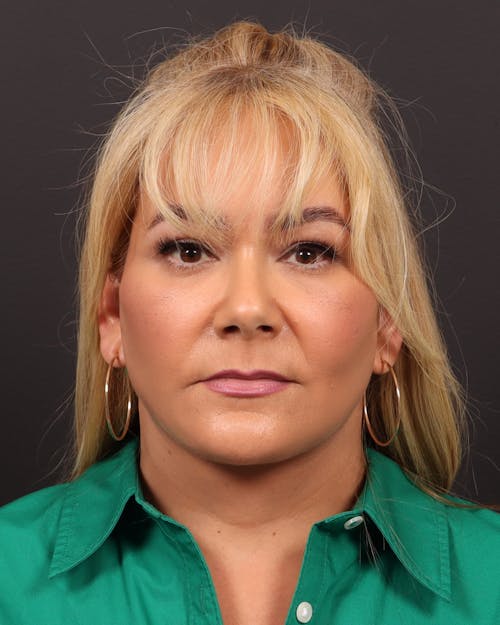
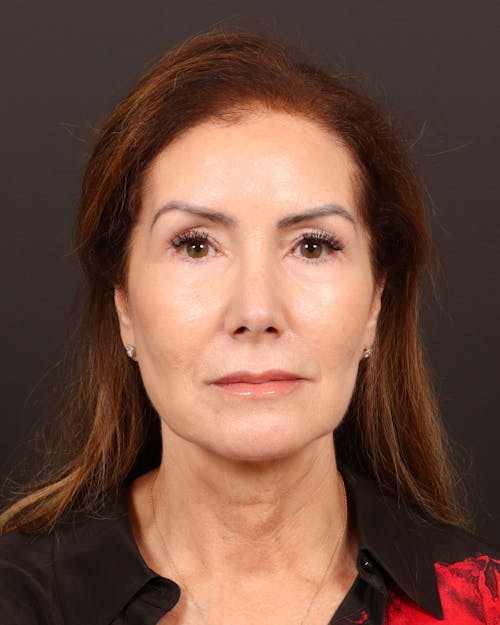
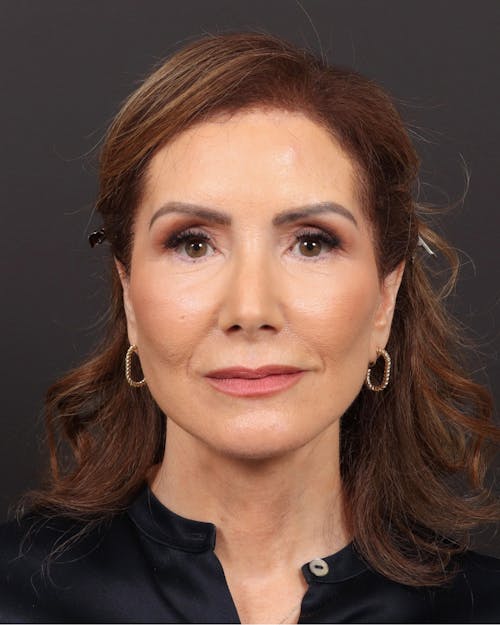
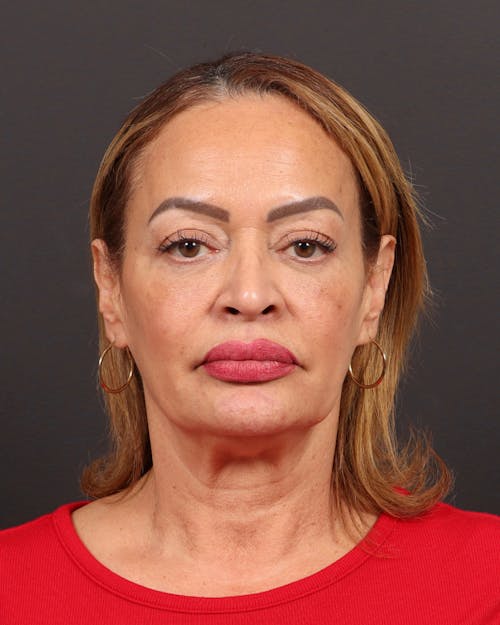
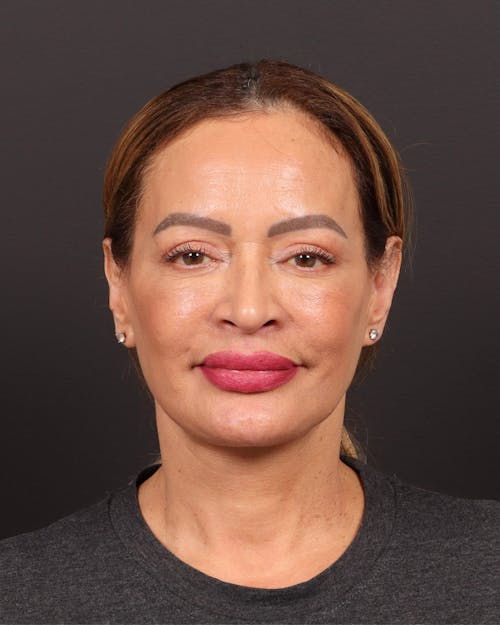
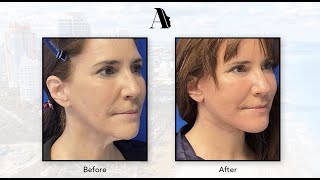
"My patient, a vibrant 44-year-old, desired a refined enhancement to address early signs of facial aging. Through a deep plane face and neck lift coupled with a temporal brow lift, we achieved a harmonious rejuvenation that preserves her unique features. The deep plane technique targets the deeper facial structures, providing a natural lift and contour that traditional methods may not achieve. Her results highlight the power of personalized surgical plans and the importance of addressing concerns proactively."
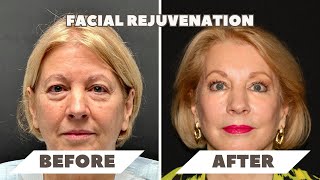
Before & After Facelift

Request a Consultation
Contact Us
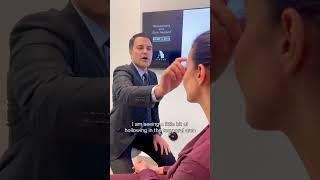
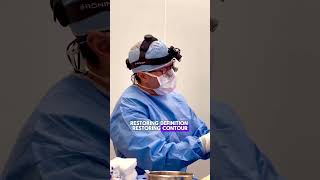
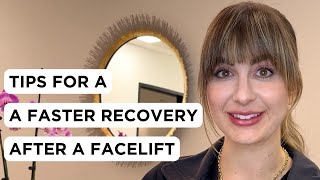
Facelift Videos








Why Choose Dr. Paul Afrooz for Facelift Surgery in Miami?
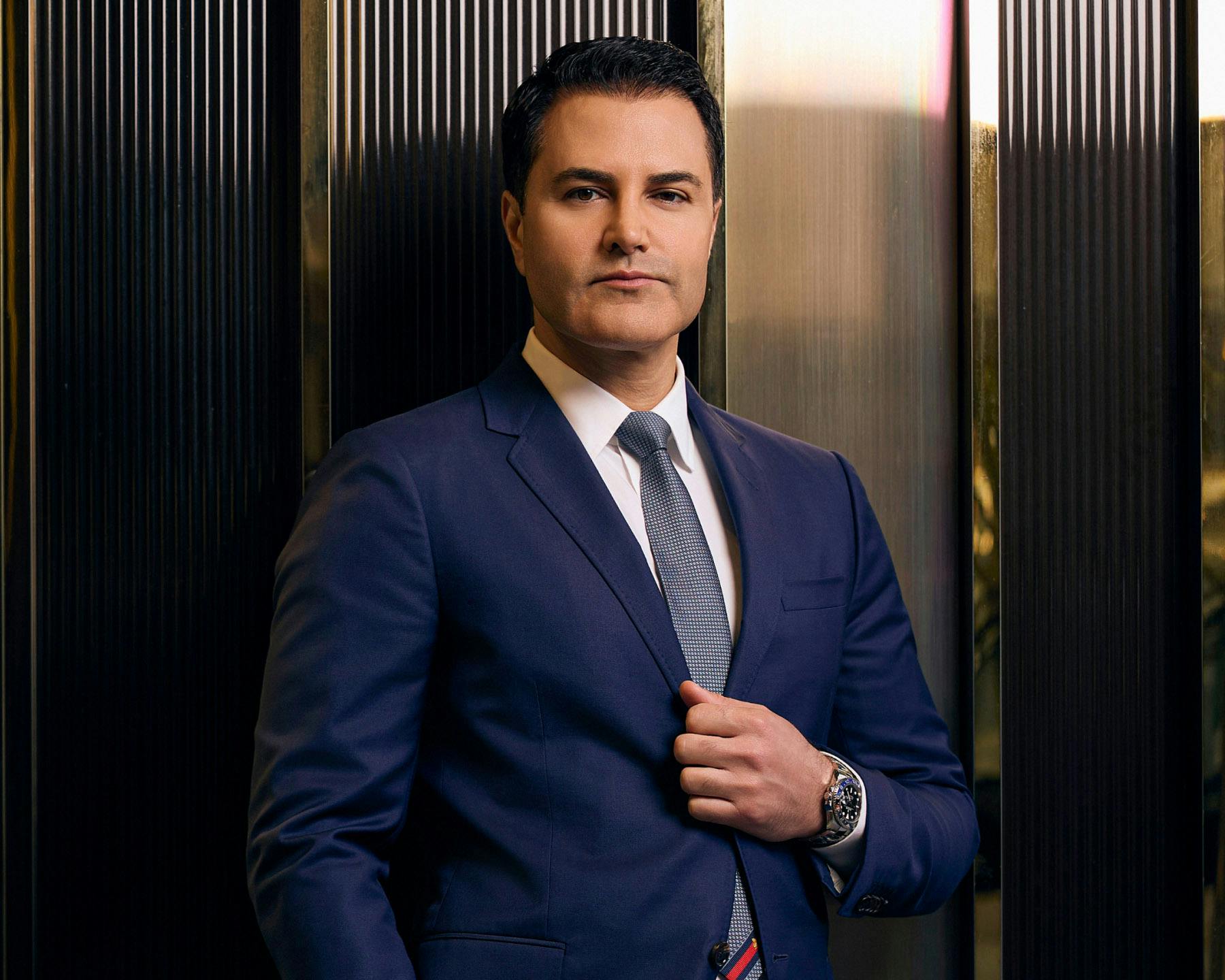
If you are considering a facelift in Miami, choosing a highly skilled, respected surgeon is the top priority. Dr. Paul Afrooz is a board-certified plastic surgeon renowned for his expertise in facial surgery, especially facelifts. Committed to enhancing patients' natural beauty and providing results that harmonize with their unique features, Dr. Afrooz combines medical excellence with an artist’s eye. His in-depth training, extensive experience, and meticulous attention to detail establish him as a leading authority in facial rejuvenation.
Dr. Afrooz ensures a personalized approach, prioritizing safety and patient education. He is dedicated to ongoing learning and adopts the latest techniques, enabling patients to achieve their aesthetic goals with confidence and trust. Contact our office today to schedule your facelift consultation with Dr. Paul Afrooz.

Am I a Candidate for a Facelift?
Considering a facelift in Miami with Dr. Paul Afrooz? You may be a candidate if you:
- Experience loose or sagging facial skin, noticeable jowls, or feel older than desired.
- Seek facial rejuvenation and aesthetic refinement for a boosted look and increased confidence.
- Desire a refreshed, youthful appearance with smoother contours and more defined features.
Dr. Afrooz will guide you through the potential results, explain the facelift surgery process, and discuss the associated costs and recovery timeline during your appointment.
Facelift Recovery
After your facelift in Miami with Dr. Paul Afrooz, you can expect a recovery period of at least six weeks. Immediately after your surgery, we recommend getting as much rest as possible, as this will ensure a smooth and speedy recovery. You will have to be careful around the incisions and protect the skin from the sun and other irritants while you heal. You can expect some swelling or bruising for a few weeks after your procedure. Afterward, you should be able to enjoy the full results of your facelift. The results from a facelift are long-lasting, but they do not prevent further aging from occurring. Recovery after a facelift can be broken down into several stages:
1-2 Weeks Post-Op
Initial swelling and bruising will begin to subside. Patients may feel more comfortable resuming low-intensity activities and attending virtual meetings. However, residual swelling and tightness are common.
3-4 Weeks Post-Op
Most patients see significant improvement in swelling and can return to work, including in-office roles.
1 Year Post-Op
The final results of a facelift are usually apparent around the one-year mark, with scars continuing to refine. Patients will enjoy the rejuvenated look that will last for years with a healthy lifestyle.


"I began looking into facelift surgery, and Dr. Afrooz was recommended to me by my dermatologist. After a few appointments with other surgeons, I decided on Dr. Afrooz. He took his time, was calm, and very confident. I did my research and recognized that he is top-notch. I’m now 3 months post-op since my face and neck lift. Dr. Afrooz also used some of my own fat in my cheeks and wrinkles around my mouth. He and his staff have exceeded my expectations in every respect."
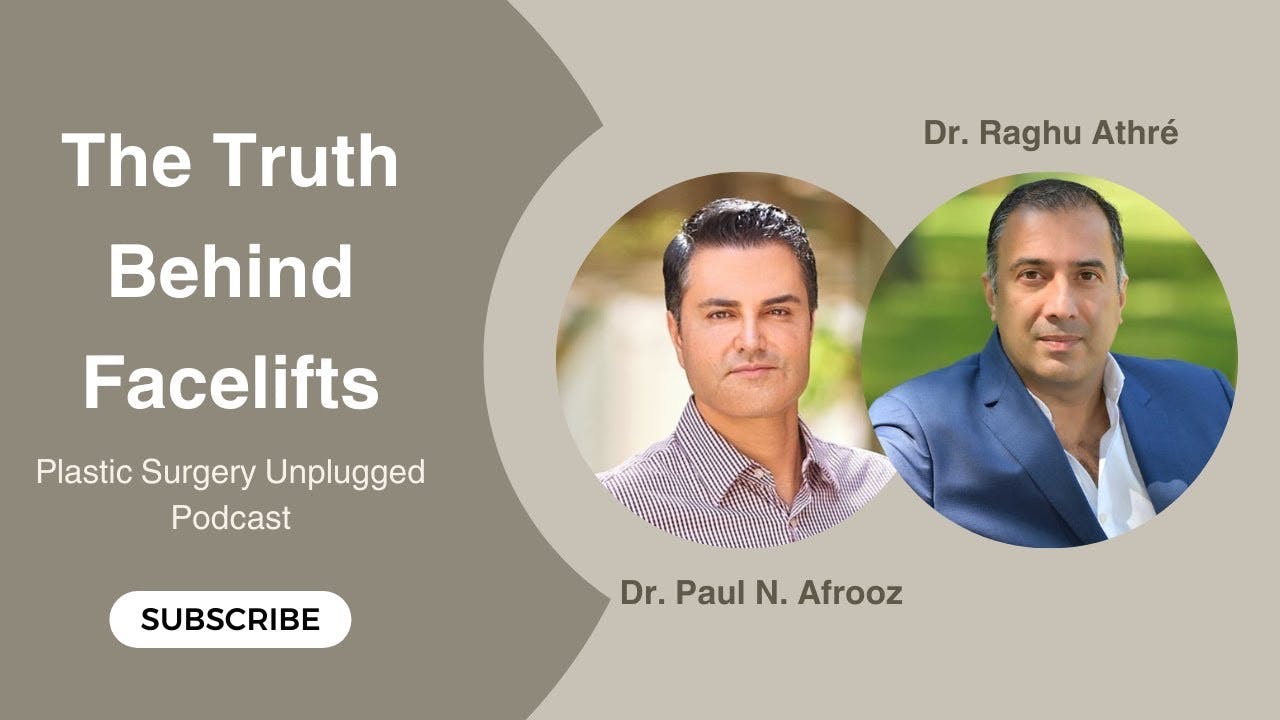
The Truth Behind Facelifts
Plastic Surgery Unplugged Podcast with Dr. Athre and Paul N. Afrooz, MD













Frequently Asked Questions Facelift
How long will my facelift results last?
The longevity of facelift results varies, but typically they can last up to 15 plus years, depending on individual factors and the specific techniques employed.
How can I reduce swelling after my facelift?
To minimize swelling after a facelift, following post-operative instructions such as keeping your head elevated, applying cold compresses, and taking prescribed medications as directed can be helpful.
Are there any risks with facelift surgery?
As with any surgical procedure, there are potential risks associated with facelift surgery, including but not limited to infection, bleeding, scarring, and temporary numbness.
What is the best age for facelift surgery?
The ideal age for facelift surgery can vary depending on individual circumstances, but it is generally recommended for individuals in their 40s to 70s who show signs of aging and desire facial rejuvenation.
What procedures can I combine with my facelift?
Facelift surgery can be combined with complementary procedures such as eyelid surgery (blepharoplasty), brow lift, or facial fat transfer to achieve more comprehensive facial rejuvenation.
Will I have visible scars after facelift surgery?
In most cases, there will be some scarring, but a skilled surgeon will aim to place incisions in inconspicuous areas, such as behind the ears or within the hairline, to minimize their visibility.
How can I prepare for my facelift?
To prepare for your facelift, follow your surgeon's pre-operative instructions, which may include quitting smoking, avoiding certain medications, and arranging for post-operative care and transportation. It's crucial to have a thorough discussion with your surgeon to ensure you're well-prepared.
Can a facelift help with issues like acne scars or sun damage?
A facelift primarily addresses sagging and aging-related concerns in the lower face and neck. While it can improve overall skin quality, it may not be the most effective solution for specific issues like acne scars or extensive sun damage, for which other treatments like laser therapy or chemical peels may be more appropriate.
How long is surgery for a facelift?
Facelift surgery generally takes between 3 to 5 hours, depending on the techniques used and the complexity of each case.
What anesthesia is used?
A facelift is typically performed under general anesthesia, ensuring patient comfort throughout the procedure.
When can I go home after surgery?
Facelift patients spend the first night recovering in our private recovery apartment, on-site, under the constant monitoring of our talented nurses.
When can I return to work?
Those working from home may feel comfortable resuming duties within 1-2 weeks. For in-office roles, a 3-4 week period is generally recommended.
How is the pain after facelift surgery?
Discomfort is usually manageable with prescribed medication and should lessen significantly within the first week. Patients report initial tightness feeling due to immediate swelling, but that feeling subsides after a week.
