Natural Fat Grafting A Natural Solution to Facial Enhancement

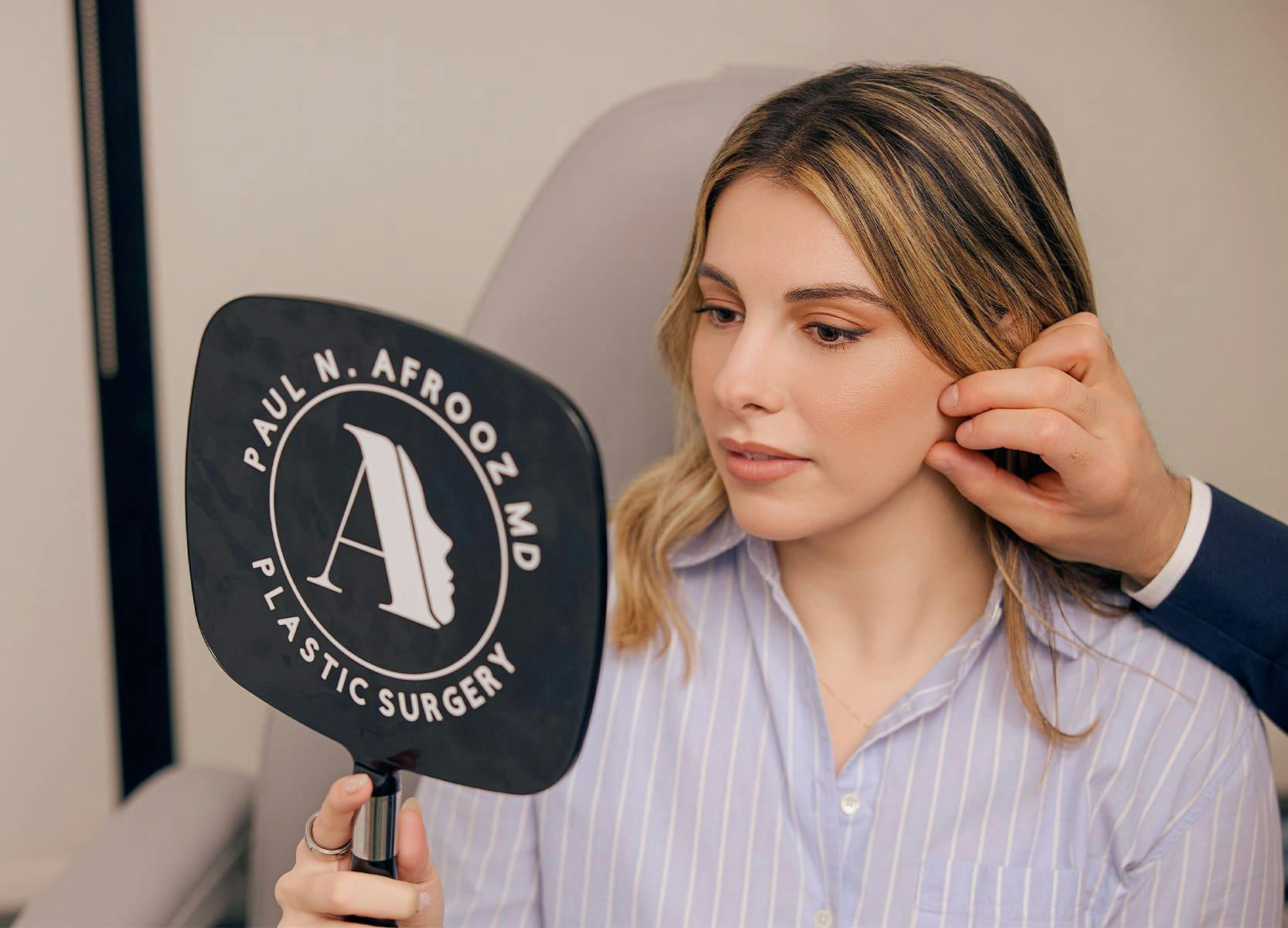
If you would like to address facial wrinkles and volume loss without relying on fillers, natural fat transfer may be an ideal option. Dr. Paul N. Afrooz combines advanced cosmetic expertise with an artistic approach to deliver safe, natural-looking results. He provides fat transfer treatments for men and women in Miami and Coral Gables while welcoming patients from around the world seeking personalized facial rejuvenation.

What Is a Fat Transfer?

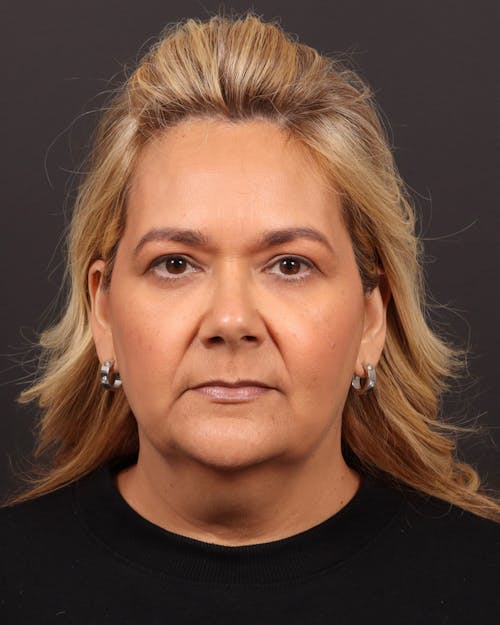
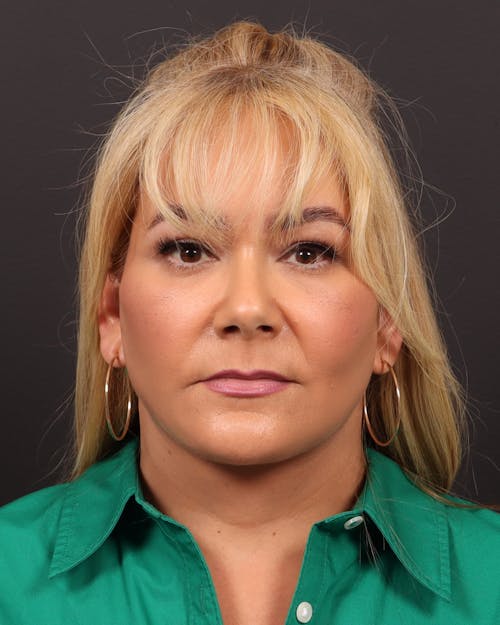
Our Miami facial fat transfer, also called fat grafting, is a cosmetic procedure that adds volume to specific areas of the face—similar to how dermal fillers work but performed with purified fat from your own body. This involves the fat being harvested from an area of the body with excess fat. It is then purified and carefully injected into the face to increase volume and reduce the appearance of wrinkles. This technique is commonly used on the cheeks and jawline, as well as deep smile lines. Fat transfers can also:

  • Smooth undereye bags or a sunken look beneath your eyes
  • Reduce crow's feet
  • Soften the contours of your lips and nasolabial folds
  • Add volume to your temples
  • Add volume to your hands to create a smoother, more youthful appearance

Banner media

What Are The Benefits of Fat Transfer?

Fat transfer is an important component of facial rejuvenation because it restores the natural volume that is lost with aging, helping the face appear smoother, softer, and more youthful. As we age, the face gradually loses fat in key areas such as the cheeks, under-eyes, temples, and jawline, leading to hollowing, sagging, and a tired appearance. By using a patient’s own purified fat, fat transfer provides a natural-looking solution that enhances facial contours while improving overall balance and harmony.

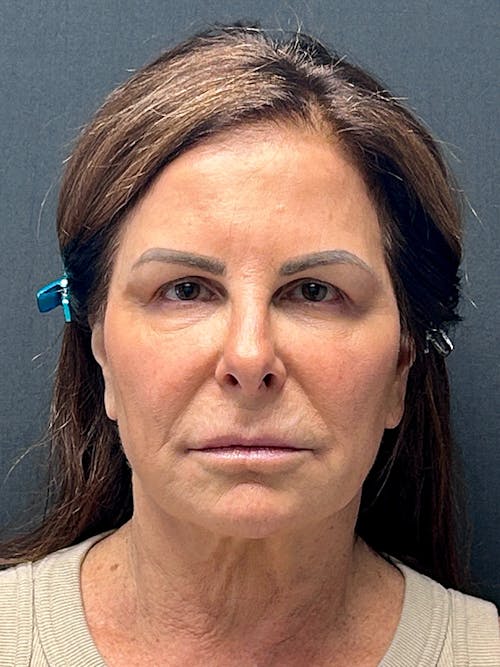
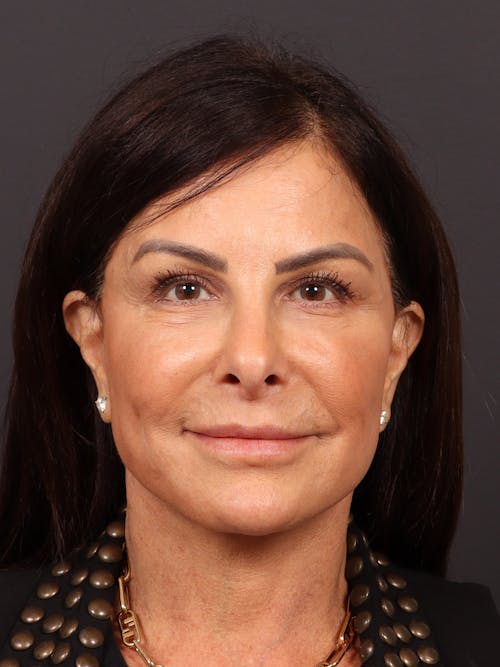
While a facelift is highly effective at lifting and repositioning sagging tissue, it does not fully address this loss of volume. Fat grafting is an important complement, restoring fullness using the patient’s own natural tissue to create smoother contours and a more youthful, balanced appearance. When combined by Dr. Afrooz, these approaches address both sagging and volume depletion—resulting in a more complete, natural-looking rejuvenation rather than a look that appears simply “pulled.”

Request a Consultation

Contact Us
Background media

Fat Grafting The Key to a Youthful Appearance

video thumbnail

What Can I Expect from a Fat Transfer Procedure?

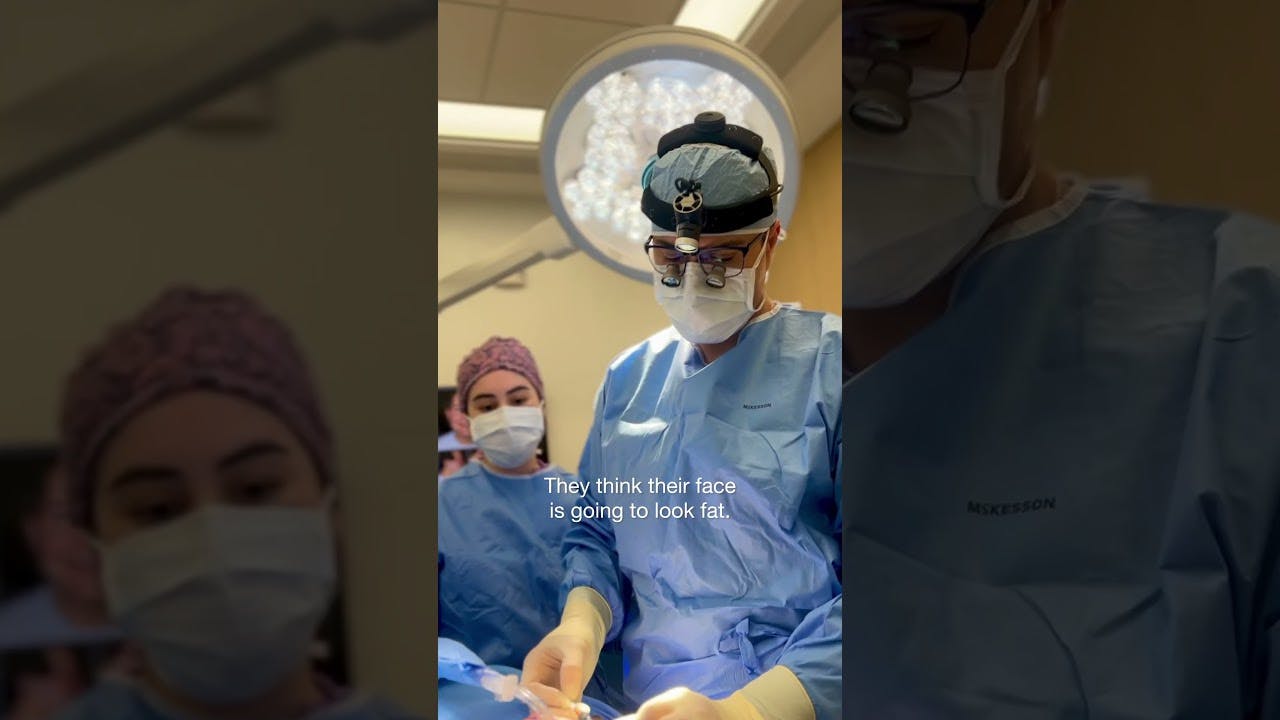
Your Miami facial fat transfer procedure begins by harvesting fat cells from another part of your body via liposuction. Fat is typically harvested from the waist, thighs, flanks, or another area with excess, with an added benefit – an improvement in your body contour. Once removed, the fat is purified and re-injected using a very fine needle. These injections are performed with the utmost care and precision by Dr. Afrooz, one of Miami's top facial plastic surgeons.

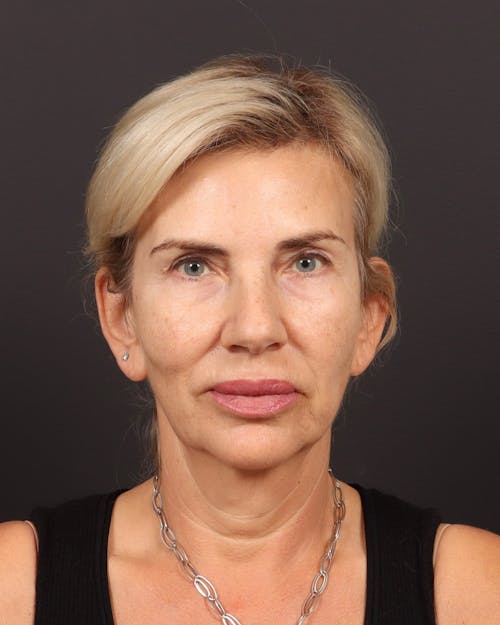
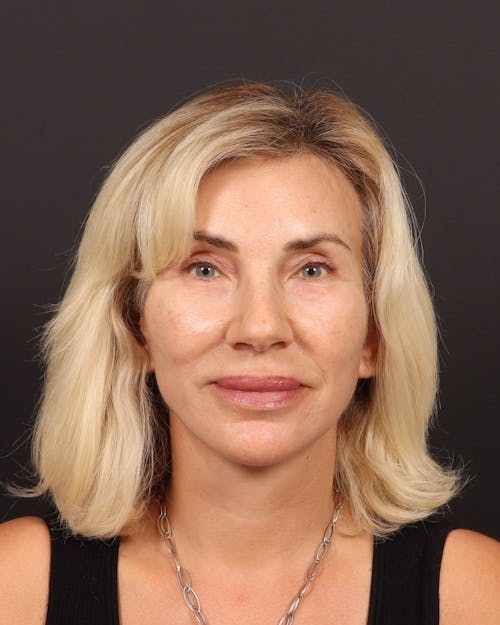
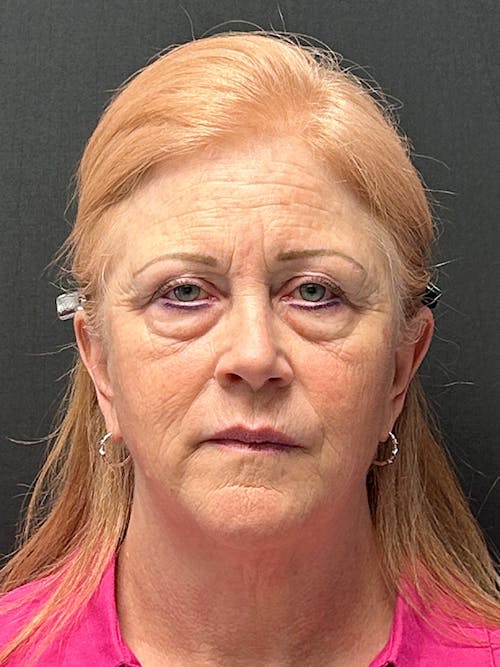
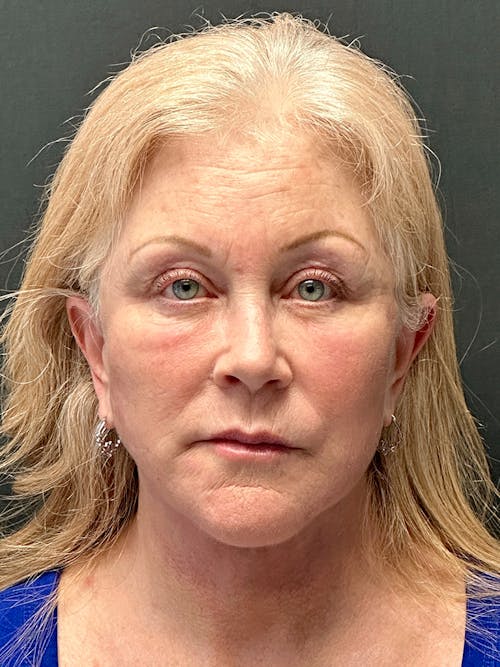
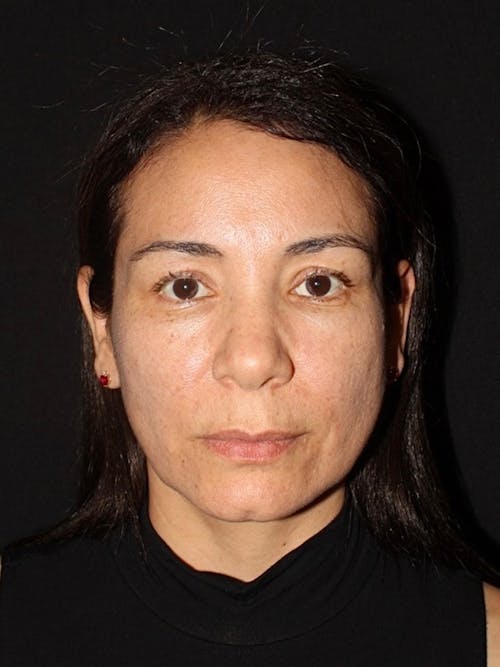
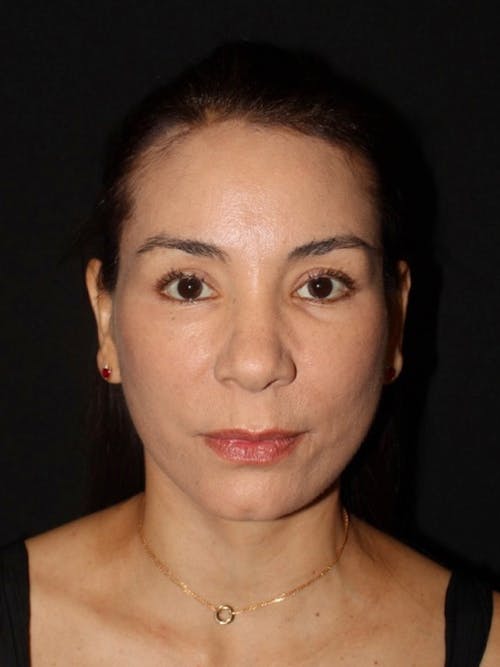
Before & After Facial Fat Transfer

Dr. Afrooz's Signature 4D Lift Explained

Facial aging occurs in several distinct ways, so a successful face and neck lift must be comprehensive and multidimensional. Gone are the days of a simple "nip-tuck" facelift.

Here, I explain how my Signature 4D Lift rejuvenates the face by (1) reducing skin laxity, (2) tightening the underlying musculature, (3) eliminating fullness in the neck, and (4) reintroducing youthful volume.

Doctor media

Meticulous Technique means Better Results.

Dr. Paul N. Afrooz is a fellowship-trained surgeon who completed training at one of the top residency programs in the country. His expertise in cosmetic procedures is widely recognized by patients in Miami, Coral Gables, and the surrounding areas, while also attracting individuals from across the nation seeking advanced facial rejuvenation. To learn more about fat grafting or to schedule a consultation, contact us today.

Learn More About Dr. Afrooz

Half image media

Let the Magic Happen Rest and Recover

After a fat transfer in Miami, you may experience mild bruising and swelling where the fat was extracted. You may also experience mild swelling in the face, which can last for a few days. However, after approximately two weeks, the results are visible. We recommend taking about a week off from work, as well as avoiding exercise and other physical activity until two weeks after your procedure. This gives the body enough time to heal properly without placing it under unnecessary stress. You will need to:

  • Sleep on a wedge or extra pillows, putting no pressure on the treated area.
  • Keep your head elevated for three to five days.
  • Take mild pain medication for any discomfort.
  • Apply antibiotic ointment as directed.
oil droplets

Is Fat Transfer Right for Me? The Natural Choice.

If you would like to achieve more volume in the face or reduce the appearance of wrinkles, you may be a good candidate for natural fat transfer. An appropriate candidate for this groundbreaking facial enhancement procedure will want to resolve any of the following:

  • Marionette lines (from the corners of the mouth to the chin)
  • Facial wrinkles and lines
  • A gaunt appearance due to volume loss
  • Dark circles beneath the eyes
  • Eyes appear sunken
  • Sagging tear troughs
  • Flatter cheek structure
  • Wrinkles around the mouth
  • Deep laugh lines
  • Frown lines
  • Thin lips
  • A former facelift needs to be refreshed

    What Is the Cost of a Fat Transfer?

    Starting at $8,000 or more, the cost of the procedure varies based on the number of areas you wish to enhance. Fat transfers are cosmetic procedures, not covered by insurance. For flexible payment options, we accept major credit cards, including financing through CareCredit. At Paul N. Afrooz, MD, our primary focus is delivering exceptional care and beautiful results, and we firmly believe these results are well worth the investment.

    Financing Options

    Frequently Asked Questions Fat Transfer

    How long do fat transfer results last?

    Fat transfer results can be long-lasting, but the longevity depends on how well the transferred fat establishes a blood supply in its new location. Fat that successfully integrates with the surrounding tissue behaves like any other fat in the body and remains indefinitely. The aging process continues over time, but the volume improvement itself is not temporary in the way filler is.

    How much of the transferred fat will survive?

    Fat retention after grafting varies by patient and by the area treated. A portion of the injected fat is reabsorbed by the body in the weeks following surgery, which is why Dr. Afrooz injects a calculated amount to account for this and achieve the intended volume once the tissue settles. Initial results become visible around two weeks as swelling subsides, though the fully stabilized outcome, reflecting what fat has integrated versus been reabsorbed, takes closer to two to three months to appreciate.

    Is there a risk of the result looking lumpy or uneven?

    In skilled hands, the risk of lumpiness is low. Dr. Afrooz uses a very fine needle and injects the fat in small, precise amounts across multiple layers, which promotes smooth integration and a natural contour. His technique and attention to detail are designed to minimize the chance of irregularity.

    What are the risks of fat transfer?

    Potential risks include bruising at both the harvest and injection sites, swelling, asymmetry, and a variable degree of fat reabsorption. In rare cases, small cysts can form if fat does not integrate properly. Dr. Afrooz reviews the full risk profile during your consultation and tailors his technique to each patient's anatomy to minimize complications.

    Will the area where the fat is harvested be affected permanently?

    The harvest sites typically see a small improvement in contour, as the fat is removed via liposuction from areas such as the waist, thighs, or flanks. This is considered a secondary benefit by most patients. The sites are minor and heal without significant scarring.

    Can fat transfer correct a facelift that looks hollow or pulled?

    Yes, and this is one of the most meaningful applications of fat transfer. Facelifts that address laxity without also restoring lost volume can sometimes leave a patient looking tight rather than youthful. Adding fat transfer to the same procedure, or returning for fat grafting after a prior facelift, helps fill the face back in and create a more natural, balanced result.

    How is fat transfer different from dermal fillers?

    Both add volume, but they work differently. Fillers are synthetic gels that the body gradually absorbs, typically lasting one to two years depending on the product and area treated. Fat transfer uses the patient's own biological tissue, which, once integrated, may provide a longer-lasting correction. For patients who prefer a natural material and want to avoid repeat filler appointments, fat transfer can be a compelling option.

    Can fat transfer be performed as a standalone procedure?

    Yes. While fat transfer pairs exceptionally well with a facelift or other surgical procedure, it can also be performed on its own to address volume loss, under-eye hollowing, or other concerns in patients who are not ready for or do not need surgical lifting.

    Will there be scarring from the liposuction harvest sites?

    The incisions used to harvest fat are very small, typically just a few millimeters, and are placed in discreet locations. They heal well and are generally not visible once fully resolved.

    Logomark
    Accessibility: If you are vision-impaired or have some other impairment covered by the Americans with Disabilities Act or a similar law, and you wish to discuss potential accommodations related to using this website, please contact our Accessibility Manager at (561) 652-0799.