No More Hiding Your Ears.

Otoplasty, or ear surgery, is also commonly referred to as ear pinning — a cosmetic procedure with the goal of repositioning and reorienting the ears to create less projection. Ears that are large or protrude can leave you feeling self-conscious. Overly large or protruding ears affect people of all ages, and ear surgery can be performed on both adults and children. Because the appearance of the ear is created by cartilage, ear surgery involves removing and reshaping the cartilage. The incisions are placed behind the ear and are not visible once healed.

woman touching face

What We Can Do for You.

Ear surgery is most commonly performed to correct ears that protrude or sit too far from the head, creating a more balanced and natural appearance. Dr. Afrooz can perform the procedure on one or both ears, tailoring the approach to each patient's unique anatomy and goals.

If you are unhappy with the look of your ears and want an aesthetic refinement, you may be a good candidate for cosmetic ear surgery. If you think you are a good candidate, call us today to schedule a consultation with Dr. Paul N. Afrooz - one of Miami's top facial plastic surgeons.


Request a Consultation

Contact Us
Contact us media

The Surgery Customized for You

Your ear surgery may take from one to three hours. The procedure is performed by making a small incision in the ear through which the cartilage can be accessed. During your ear pinning procedure, Dr. Afrooz will use a variety of ear shaping techniques to resculpt and reshape the ear structure so it can lie against the head, and is the right shape and size to be in balance with your features.

Time to Heal

After ear surgery, the ears are bandaged for approximately a week. For several weeks after your surgery, you will need to be careful when sleeping to prevent the ears from folding before they are completely healed. You will need to avoid playing any contact sports or other activities that could impact and cause trauma to the ears. Resting and protecting your newly reshaped ears are essential for a fast and easy recovery.

What Is the Cost of Ear Surgery?

The cost of ear surgery in Miami can vary. When the ear structure is misshapen, the surgical procedure is more extensive. If one or both ears are folded, wrinkled, tight, or overly bulky, these problems can be surgically corrected with the help of Dr. Afrooz. We accept most major credit cards, as well as financing through CareCredit, so you can pay for your ear surgery over time, in easy monthly payments.

Background media
Doctor media

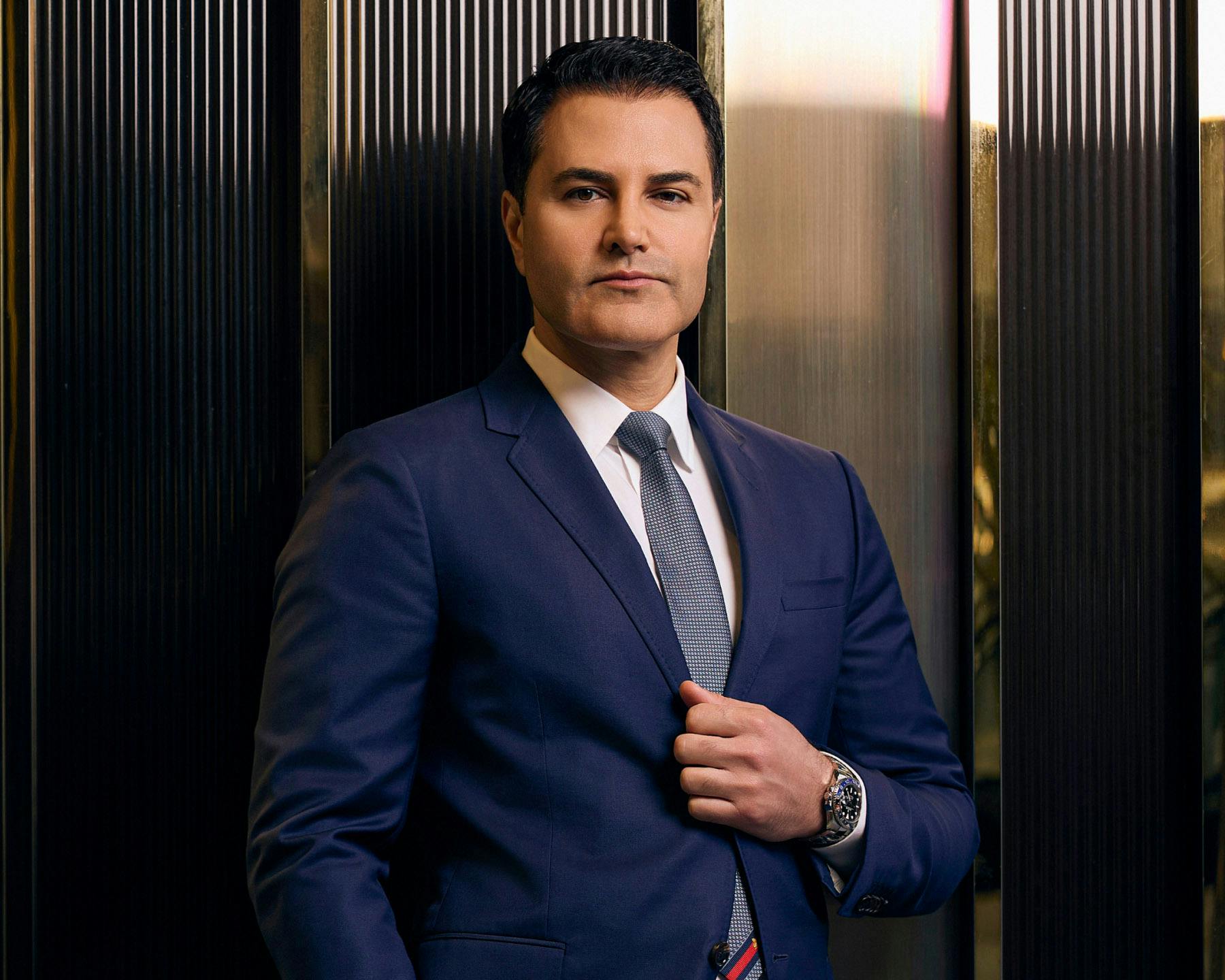
A Perfectionist In Ear Surgery Dr. Afrooz

Dr. Paul N. Afrooz has a stellar educational background and excelled throughout his training in plastic and reconstructive surgery. He was invited to participate in one of the most competitive aesthetic surgery fellowships in the country based on his merits, research, technical skill, and recommendations from his peers. You can trust that your ear surgery will be performed with meticulous care, with results that will enhance your life experience.

Learn More About Dr. Afrooz

Half image media

Frequently Asked Questions Ear Surgery

What is the minimum age for ear surgery?

Ear cartilage reaches most of its mature size by around age five to six, which is why otoplasty can be safely performed on children as young as five or six years old. Performing the procedure in childhood may prevent years of self-consciousness during school-age years. Adults of any age are also excellent candidates.

What type of anesthesia is used?

For young children, general anesthesia is typically used to ensure a safe and comfortable experience. Older children and adults may undergo the procedure with local anesthesia and sedation.

Is otoplasty painful?

Most patients experience mild to moderate discomfort in the days following surgery rather than significant pain. Prescribed or over-the-counter medication manages this well for the majority of patients. The ears may feel tender or sensitive for a few weeks, which is a normal part of healing.

Are the results permanent?

Yes. Because ear surgery involves reshaping the cartilage itself, the results are lasting. Ears that are repositioned and reshaped by Dr. Afrooz do not return to their original position over time. Patients can expect a permanent improvement in the appearance and placement of their ears.

What are the risks of otoplasty?

Potential risks include asymmetry, infection, temporary numbness or sensitivity, and in rare cases, changes in the shape of the ear cartilage. Choosing an experienced, board-certified surgeon significantly reduces the likelihood of these complications.

Will I be able to wear earrings after ear surgery?

Yes, though you will need to wait until healing is complete, typically six to eight weeks after surgery, before wearing earrings again. Clip-on earrings or those that place pressure directly on the ear should be avoided during healing.

Can ear surgery be combined with other facial procedures?

Yes. Otoplasty can be performed alongside other facial surgeries if multiple concerns are being addressed at the same time. This is especially practical for adult patients who may be combining ear surgery with a facelift or rhinoplasty as part of a broader plan.

What if only one ear needs to be corrected?

Dr. Afrooz can operate on one or both ears based on your anatomy and goals. When only one ear is prominently affected, he will take careful measurements and use his artistic eye to ensure that the corrected ear is brought into balance with the other side, creating a natural, symmetrical result.

How long does it take to return to normal activities after surgery?

Most patients are back to their regular routine within one to two weeks. Contact sports and activities that could impact the ears should be avoided for at least six weeks. Children typically return to school after about a week, provided they are careful about rough play.

Logomark
Accessibility: If you are vision-impaired or have some other impairment covered by the Americans with Disabilities Act or a similar law, and you wish to discuss potential accommodations related to using this website, please contact our Accessibility Manager at (561) 652-0799.